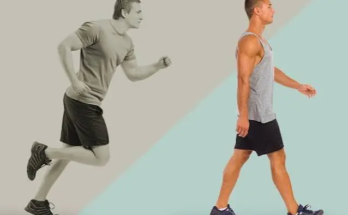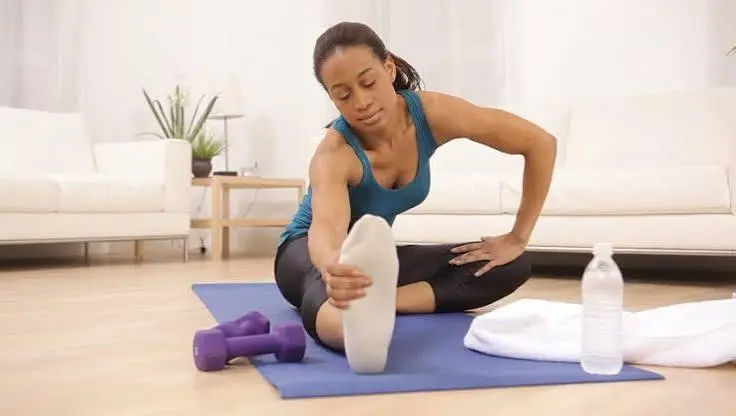
Starting an exercise routine can feel intimidating, especially if you have not been active for a while. Learning how to start exercising as a beginner can be as simple as walking regularly and doing a few basic movements.
A flexible home routine can help when work, traffic, family responsibilities or gym costs make regular workouts difficult. Begin at a manageable level and build gradually.
Why Should You Start Exercising?
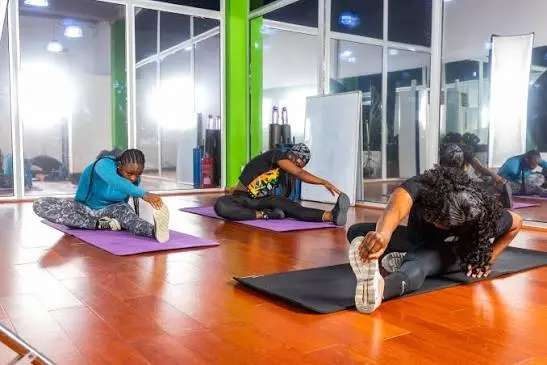
Regular physical activity supports heart health, strengthens muscles and bones, improves mobility and can support better sleep and mood. It may also help manage stress and support long-term wellbeing when combined with adequate rest and balanced meals.
You do not have to start with intense workouts to enjoy these benefits. Walking, dancing, cycling and household activities all count as movement. Some activity is better than none, so focus on consistency.
How to Start Exercising as a Beginner
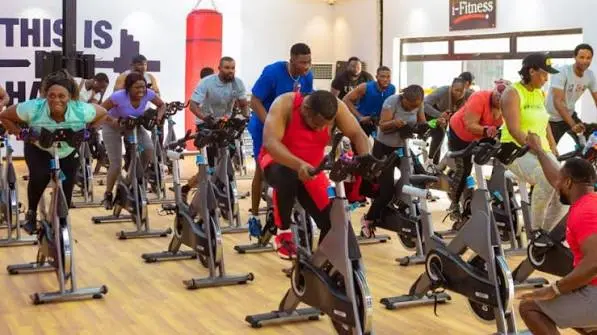
1. Set a realistic goal
Choose a clear starting target, such as walking for 15 minutes three times a week or completing two short home workouts. Increase the time or difficulty gradually as the routine becomes manageable.
2. Choose activities you enjoy
You can walk around your neighbourhood, dance to your favourite music, use a skipping rope if you have enough space, or follow a simple bodyweight routine. If you prefer privacy or have limited outdoor space, exercise indoors.
3. Prepare a simple workout space
You do not need a home gym. Wear comfortable clothing, clear a safe area and keep water nearby. A mat is optional; a clean, non-slip floor is enough for many standing exercises.
A Simple Beginner Workout Plan at Home
Try this starter schedule for your first two weeks. Reduce the time or repetitions if needed, and rest when necessary
- Monday: 15–20-minute comfortable-to-brisk walk
- Tuesday: Beginner strength routine (10–15 minutes)
- Wednesday: Rest or gentle 10-minute walk
- Thursday: 15–20-minute walk or easy dancing
- Friday: Beginner strength routine (10–15 minutes)
- Saturday: Enjoyable light activity, such as walking or cycling
- Sunday: Rest
For the strength sessions, start with one set of each movement. Aim for 8–10 controlled repetitions, or fewer if your form begins to suffer:
- Chair squats: Sit towards the front of a sturdy chair, stand up slowly and sit down with control.
- Wall push-ups: Place your palms on a wall at shoulder height, bend your elbows to bring your chest closer, then push back.
- Standing knee raises: Hold a stable support if needed and lift one knee at a time.
- Glute bridges: Lie on your back with knees bent, lift your hips gently, then lower them. Skip this if getting down to the floor is uncomfortable.
- Calf raises: Hold a chair or wall, rise onto your toes and lower slowly.
Warm up with five minutes of easy marching or walking and gentle shoulder rolls. Finish by slowing down. If an exercise causes pain, stop rather than pushing through it.
How Much Exercise Should a Beginner Aim For?
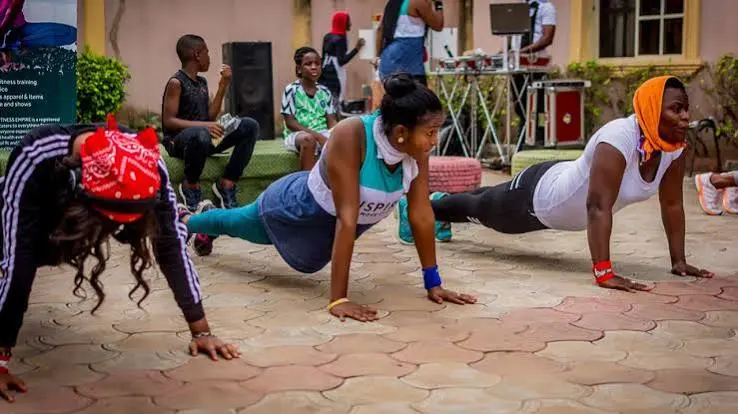
You do not need to reach the full recommended amount immediately. For adults, public-health guidance recommends working towards 150–300 minutes of moderate-intensity aerobic activity each week, alongside muscle-strengthening activity on at least two days.
A moderate pace usually makes you breathe faster while still allowing you to talk, but you should not be gasping. Begin with short sessions and add a few minutes as your stamina improves. You can split activity into smaller blocks throughout the day; a 10-minute walk still counts. When a workout becomes comfortable, increase only one thing at a time: duration, repetitions or pace. This helps you avoid doing too much too soon.
Tips for Exercising Safely in Nigeria
Nigeria’s warm weather makes timing and hydration worth considering. When possible, walk or exercise during cooler parts of the day, such as early morning or later in the evening. Avoid pushing hard in intense heat, wear light clothing and drink water before and after activity. Take breaks if you feel overheated.
Outdoors, choose a safe, visible route and suitable footwear. At home, keep the floor dry and move furniture out of the way. Choose movements that match your fitness rather than copying advanced social-media workouts.
If you have a chronic health condition, an injury, are pregnant or recently gave birth, or have been inactive and are unsure what is appropriate, speak with a healthcare professional before starting. Stop exercising and seek medical advice if you experience chest pain, faintness, severe breathlessness or unusual symptoms.
How to Stay Consistent With Your Workout Routine
Make the habit easy to repeat: schedule workouts, keep your exercise clothes ready and track completed sessions. If you miss a day, simply return to the plan rather than abandoning it.
Invite a friend or family member to walk with you. After a few weeks, make one small adjustment, such as walking five minutes longer or adding repetitions. Progress is built through regular effort, not one exhausting workout.
Conclusion
Learning how to start exercising as a beginner in Nigeria does not require expensive equipment or a complicated gym programme. Begin with walking, simple home exercises and a realistic weekly schedule. Increase your activity gradually, pay attention to how your body feels and choose a routine that fits your everyday life. The best beginner workout plan is one you can keep doing.
FAQs
Can I start exercising at home without equipment?
Yes. Walking in place, chair squats, wall push-ups and knee raises use little or no equipment. A sturdy chair and a clear, non-slip space can be enough to begin.
How many days a week should a beginner exercise?
Start with three or four days of light activity, including two short strength sessions if comfortable. Build towards regular aerobic activity and strength work on at least two days each week.
What is the best time to exercise in Nigeria?
Early morning or evening may feel more comfortable than exercising outdoors during the hottest part of the day.
How long should a beginner workout last?
A 10–20-minute session can be a practical starting point. Increase the duration gradually as your fitness and confidence improve.