
Walking and running are two of the simplest ways to improve your fitness without spending money on a gym membership. Both can support heart health, help manage body weight, improve mood and reduce the risks associated with an inactive lifestyle. However, when comparing walking vs running, which activity is better for your health?
The answer depends on your fitness level, goals, health conditions and how consistently you exercise. Running generally provides a more intense workout in less time, while walking is easier to maintain and may suit people who are new to exercise. Understanding the differences can help you choose the activity that works best for you.
Walking vs Running: What Is the Difference?
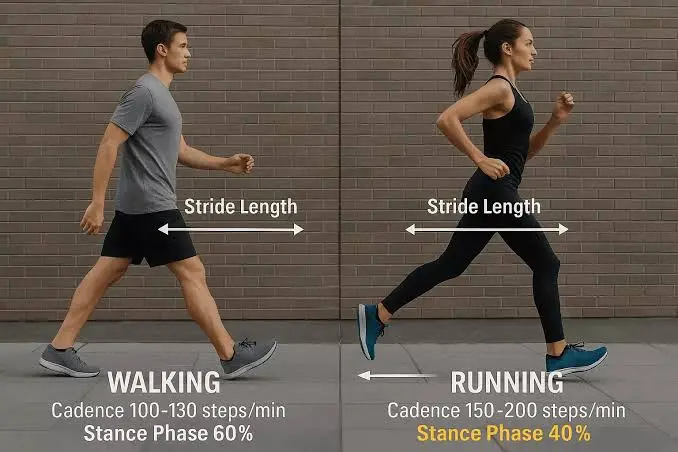
Walking and running are aerobic activities that increase your heart rate and help your body use oxygen more efficiently. The main difference is intensity.
Brisk walking is generally a moderate-intensity activity. You should be able to talk but find singing difficult. Running is usually vigorous-intensity exercise, meaning breathing becomes harder and holding a conversation is more challenging.l
Health Benefits of Walking
Walking is an accessible way to become more active, particularly if you spend much of the day sitting.
1. Supports heart health: Regular brisk walking raises your heart rate and contributes to cardiovascular fitness. Research has associated leisure-time walking with lower risks of cardiovascular disease and premature death.
2. Helps manage body weight: Walking uses energy, and regular walks can contribute to weight management when combined with balanced eating habits. The results depend on your pace, duration, body size and overall lifestyle.
3. Supports mental wellbeing: A walk outdoors can provide a break from work, reduce feelings of stress and create an opportunity to spend time in nature or with friends.
4. Is easy to maintain: You can walk around your neighbourhood, use the stairs, walk part of your commute or take a short stroll after meals. You do not need specialised equipment beyond comfortable, supportive footwear.
Health Benefits of Running
Running offers many of the same benefits as walking, but its higher intensity can make it a time-efficient option.
1. Improves cardiovascular fitness: Running challenges your heart and lungs more intensely, helping build aerobic endurance as your body adapts to regular training.
2. Burns more calories per minute: Running typically uses more energy per minute than walking at an ordinary or brisk pace. However, total energy expenditure depends on distance, speed, body weight and workout duration.
3. Builds endurance: Consistent running can improve stamina for longer workouts and other physical activities. Start gradually, as increasing distance or speed too quickly can lead to injuries.
4. May support long-term health: Research has linked running with lower mortality risk, although observational studies cannot prove that running alone causes the difference. Walking has also shown important health associations.
Running can be rewarding, but it is not a requirement for getting healthier. You can achieve meaningful benefits without running at all.
Which Burns More Calories: Walking or Running?

Running usually burns more calories per minute because it requires greater effort. Therefore, if you have limited time, running may help you expend more energy during a shorter workout.
Walking, however, can be continued for longer by many people and may be easier to fit into everyday routines. A longer brisk walk can still contribute substantially to your daily energy expenditure.
Neither activity guarantees weight loss. Changes in body weight depend on your overall energy balance, eating habits, sleep, consistency and other individual factors.
If weight management is your goal, choose an activity you can sustain. You may also combine walking or running with strength training and a balanced diet.
Walking vs Running: Which Is Easier on Your Joints?

Walking generally places less impact on the body than running, making it a useful starting point for many beginners and people returning to exercise.
Running involves repeated higher-impact movements, which can aggravate certain injuries or joint problems. Nevertheless, injury risk depends on factors such as training history, footwear, running technique, recovery and how quickly you increase your workload.
If you have persistent knee, hip or ankle pain, do not assume you must push through it. Consider speaking with a qualified healthcare professional before increasing your activity. People with existing medical conditions may also need individual guidance.
Is Walking or Running Better for Mental Health?

Both activities can support mental wellbeing. Physical activity may help improve mood, relieve stress and support better sleep.
Walking may be easier to use as a daily reset because it requires less preparation and can be incorporated into breaks or social activities. Running may appeal to people who enjoy challenging themselves, training towards goals or experiencing the satisfaction of completing a workout.
Ultimately, the best option is the one that fits your routine and feels rewarding rather than becoming another source of pressure.
How to Choose the Right Exercise for You

Your circumstances matter more than choosing the activity that appears toughest.
- Choose walking if you are new to exercise, prefer a lower-impact option or want to move more throughout the day.
- Choose running if you already have a reasonable fitness base and want a vigorous workout or to improve running endurance.
- Try both if you want variety. Alternating brisk walking with short jogging intervals can help you build up gradually.
For beginners, start with manageable sessions rather than attempting a demanding daily routine immediately. For example, walk for 10–15 minutes at a comfortable pace, then gradually increase your duration or speed as your fitness improves.
In Nigeria, you can walk in a safe neighbourhood, use a suitable public recreation area or exercise indoors when outdoor conditions are uncomfortable. In hot weather, choose cooler hours, wear breathable clothing and drink water.
Stop exercising and seek urgent medical attention if you experience warning signs such as chest pain, fainting or severe, unusual breathlessness.
Frequently Asked Questions
Is walking as beneficial as running?
Both activities can support health. Running is more intense, but brisk walking can provide substantial benefits when performed regularly. The best choice depends on your circumstances and how much activity you complete.
Is walking or running better for weight loss?
Running generally burns more calories per minute. However, sustainable weight management depends on your overall activity, diet and consistency, so walking can also be effective.
How much should I walk or run each week?
Most adults should aim for at least 150 minutes of moderate-intensity activity or 75 minutes of vigorous-intensity activity weekly, alongside muscle-strengthening activities on two days. Start at a level appropriate for your fitness and build up gradually.
Can beginners start running immediately?
Some beginners can, but alternating walking and short jogging intervals is often a more manageable approach. Increase training gradually and allow time for recovery.
Conclusion
When comparing walking vs running, neither activity is automatically better for everyone. Running offers a more intense workout in less time, while walking is accessible, adaptable and easier for many beginners to sustain.
If you are starting your fitness journey, begin with regular walks and build your confidence. If you already exercise comfortably, consider adding running when it suits your goals. Most importantly, choose an activity you enjoy and can maintain consistently.