Eating a balanced diet does not have to be expensive or complicated. Many everyday Nigerian foods provide protein, an essential nutrient that helps build and repair body tissues, supports muscle maintenance and contributes to normal immune function.
Fortunately, you do not need imported health foods or costly supplements to increase your protein intake. There are plenty of high-protein Nigerian foods available in local markets, supermarkets and neighbourhood shops. These include beans, eggs, fish, chicken, milk and several traditional meals.
Whether you want to maintain muscle, support an active lifestyle or simply improve your eating habits, understanding your options can make meal planning easier. Here are some nutritious protein sources to include in your everyday diet.
1. Beans
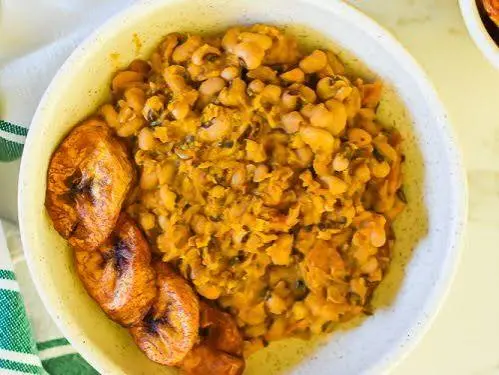
Beans are among the most affordable and versatile sources of plant-based protein in Nigeria. Brown beans, black-eyed peas and other common varieties also provide fibre, folate and minerals.
You can enjoy beans in several ways, including boiled beans, beans porridge and bean-based snacks. Pairing beans with rice, yam or plantain creates a filling meal that supplies energy alongside protein.
For a convenient option, prepare a pot of beans ahead of time and refrigerate portions for later meals. This can save cooking time during a busy week.
2. Moi Moi

Moi moi is a popular Nigerian dish made primarily from blended beans. Depending on the recipe, it may also contain eggs, fish, peppers, onions and other ingredients.
Because beans form its main ingredient, moi moi provides plant-based protein. Adding fish or eggs can increase the protein content further, although the exact amount depends on the ingredients and serving size.
It also pairs well with rice, pap or other meals. For a balanced plate, combine moi moi with vegetables or another source of fibre.
3. Eggs

Eggs are convenient, versatile and generally easy to find. They provide complete protein, meaning they contain all nine essential amino acids the body needs from food.
Boiled, scrambled or poached eggs can make a practical breakfast or snack. You can also add them to vegetable sauces, sandwiches and rice dishes.
For a balanced meal, serve eggs with vegetables and a carbohydrate source such as whole-grain bread, sweet potatoes or yam. Remember that cooking methods and added oil affect the overall nutritional content of the meal.
4. Fish

Fish is an excellent option for anyone looking to increase protein intake. Common Nigerian choices include mackerel, sardines, tilapia, catfish and other locally available varieties.
Fish provides high-quality protein, while oily varieties such as mackerel and sardines can also supply omega-3 fatty acids. These fats support normal heart and brain function.
Grilled, baked, steamed or lightly stewed fish can fit into a balanced diet. However, heavily salted, smoked or fried preparations may contain more sodium or added fat, depending on how they are prepared.
5. Chicken

Chicken is another useful source of animal protein. It works well in Nigerian soups, stews, rice dishes and grilled meals.
Skinless chicken breast is particularly rich in protein relative to its fat content, while other cuts can also contribute valuable nutrients. The best choice depends on your budget, preferences and overall dietary needs.
To make meals more balanced, serve chicken with vegetables and a moderate portion of rice, yam or another carbohydrate. Grilling, baking and stewing are useful alternatives to deep-frying.
6. Beef and Goat Meat
Beef and goat meat provide protein, iron, zinc and vitamin B12. These nutrients contribute to normal muscle function, red blood cell production and other important processes in the body.
They can be included in dishes such as Nigerian beef stew, vegetable soups and pepper soup. Nevertheless, portion size and preparation matter.
Choose leaner cuts when practical, trim visible fat and avoid making processed meats a regular staple. You can also alternate meat with fish, eggs and beans to enjoy a wider range of nutrients.
7. Groundnuts and Groundnut Paste
Groundnuts are a familiar Nigerian snack and a useful source of plant-based protein. They also contain unsaturated fats, which can contribute to a balanced diet.
Enjoy a small handful as a snack or use groundnut paste in suitable sauces and meals. However, groundnuts are energy-dense, so portion sizes matter if you are monitoring your calorie intake.
Choose plain, unsalted groundnuts when possible, and check ingredient labels on packaged products for added sugar, salt or oils. Anyone with a peanut allergy should avoid groundnuts and products containing them.
8. Milk and Yoghurt
Milk and yoghurt provide high-quality protein, calcium and other nutrients. They can be convenient additions to breakfast, snacks or smoothies.
Plain yoghurt is especially useful because it can be paired with fruit, oats or groundnuts without relying on heavily sweetened products. Milk can also accompany meals or be used in porridge.
If you have difficulty digesting lactose, lactose-free milk or suitable alternatives may help. Check labels carefully, since not all plant-based drinks contain as much protein as dairy milk.
9. Crayfish and Other Seafood
Crayfish is widely used in Nigerian cooking to add flavour to soups, stews and sauces. It can also contribute protein, although the amount you consume in a typical serving may be relatively small.
Other seafood, including prawns and shellfish, can provide substantial protein depending on the portion. Add them to vegetable soups or other balanced dishes for variety.
Dried seafood can contain considerable sodium, so use it thoughtfully, especially if you need to limit salt intake.
10. Soybeans and Soy Products
Soybeans are a valuable plant-based protein source. They can be used to make soy milk, tofu and other foods, depending on availability.
Soy is particularly useful for people who eat little or no animal protein. It can also complement other plant foods, helping create varied meals throughout the week.
Choose minimally sweetened soy milk and check packaged products for their protein content. When preparing soybeans at home, follow appropriate cooking instructions to ensure they are properly prepared.
How to Add More Protein to Your Nigerian Diet

You do not need to eat all these foods every day. Instead, aim for variety and make small changes that suit your budget.
- At breakfast: Eat eggs with bread, or enjoy moi moi with pap.
- At lunch: Add fish or chicken to rice and vegetables.
- At dinner: Serve beans porridge with vegetables, or include fish in a vegetable soup.
- For snacks: Choose yoghurt, boiled eggs or a small handful of groundnuts.
- When shopping: Compare prices and buy seasonal or locally available protein sources.
Combining different protein sources throughout the week can help you meet your nutritional needs without depending on one expensive food.
Frequently Asked Questions
Which Nigerian food is highest in protein?
The answer depends on the food, serving size and preparation method. Fish, chicken, lean meat, eggs and soy products can provide substantial protein. Beans and other legumes are useful plant-based alternatives.
Can I get enough protein without eating meat?
Yes. Beans, soybeans, moi moi, groundnuts and other plant foods can contribute protein. Eating a variety of these foods throughout the day helps provide the amino acids your body needs.
Are high-protein foods good for weight management?
Protein can help with fullness and supports muscle maintenance. However, weight management also depends on overall energy intake, physical activity, sleep and other factors. No single food guarantees weight loss.
Conclusion
Adding more protein to your meals can be simple when you choose foods that are affordable and familiar. From beans and moi moi to eggs, fish, chicken and soy products, there are many high-protein Nigerian foods to choose from.
Start with a few options you already enjoy, vary your meals throughout the week and combine protein sources with vegetables, fruits and suitable carbohydrate foods. A balanced, consistent approach is more practical than relying on expensive supplements or following restrictive diets.