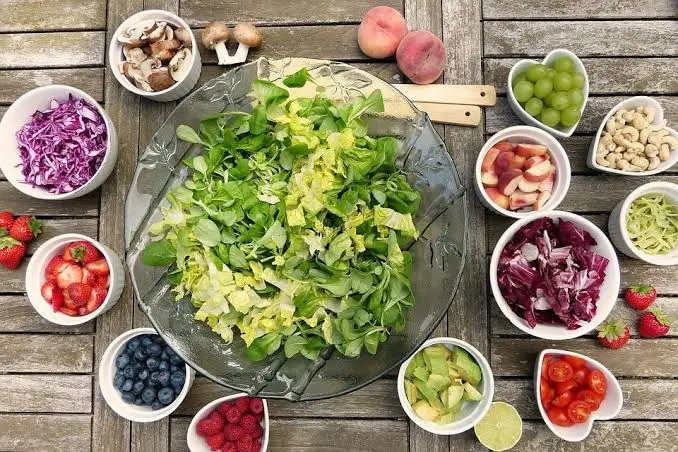
Managing blood sugar starts with everyday choices, and food is one of the most important. Certain foods can support steadier blood glucose levels by providing fiber, protein, healthy fats and essential nutrients. If you’re looking for foods that lower blood sugar, the goal isn’t to find a miracle ingredient. It’s to build balanced meals that help prevent sharp blood sugar spikes and support long-term health.
Whether you have diabetes, prediabetes or simply want to eat healthier, making thoughtful food choices can help. Here are some nutritious options to include in your diet.
How Food Affects Blood Sugar
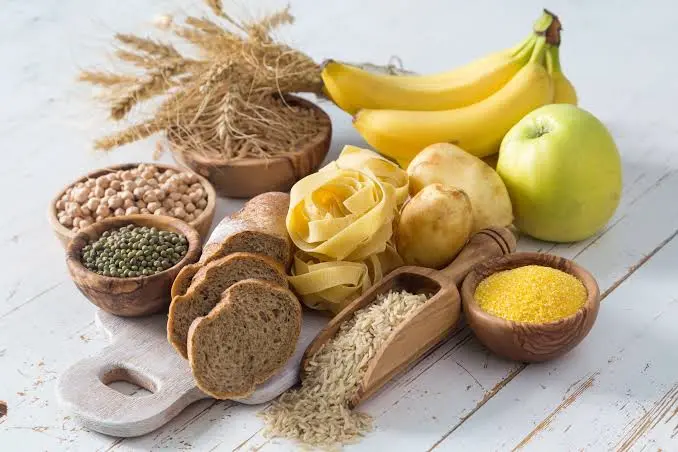
When you eat carbohydrates, your body breaks them down into glucose, which enters your bloodstream. This is a normal process, but the amount and type of carbohydrates you consume can affect how quickly blood sugar rises.
Foods containing fiber take longer to digest and can help moderate blood glucose changes. Pairing carbohydrates with protein or healthy fats can also slow digestion. Therefore, balanced meals are generally more helpful than focusing on one supposedly beneficial food.
8 Foods That Help Lower Blood Sugar Naturally
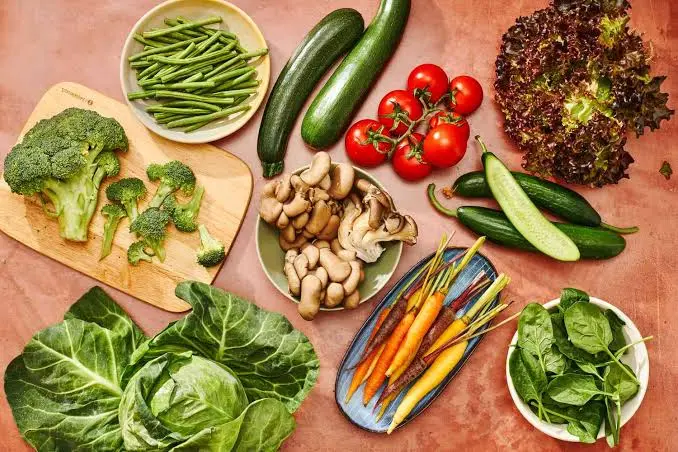
These foods can support blood sugar management as part of an overall healthy eating pattern. They do not directly cure diabetes or replace prescribed medication.
1. Leafy Green Vegetables
Spinach, kale, collard greens and other leafy vegetables are excellent choices. They contain fiber, vitamins and minerals while generally being low in carbohydrates.
Adding leafy greens to salads, soups, omelettes and main meals is an easy way to improve your diet without significantly increasing its carbohydrate content.
2. Beans and Lentils
Beans, chickpeas and lentils provide a combination of fiber and plant-based protein. This makes them filling and useful for balanced meals.
Although legumes contain carbohydrates, their fiber content can slow digestion. Try adding black beans to salads, preparing lentil soup or serving a moderate portion of beans alongside vegetables and lean protein.
3. Oats
Oats are a useful source of soluble fiber, particularly beta-glucan. Fiber helps slow digestion and can support healthier blood glucose responses.
Choose plain, unsweetened rolled or steel-cut oats instead of heavily sweetened instant varieties. Add nuts, seeds or a small portion of berries for a more balanced breakfast.
4. Nuts and Seeds
Almonds, walnuts, chia seeds and flaxseeds provide fiber, protein and healthy fats. These nutrients make them satisfying snack options and can help balance meals containing carbohydrates.
Enjoy a small handful of unsalted nuts or sprinkle seeds over oatmeal and yogurt. However, keep portions reasonable because nuts and seeds are calorie-dense.
5. Fatty Fish
Salmon, sardines, tuna and mackerel provide protein and omega-3 fatty acids. Protein has little direct effect on blood glucose compared with carbohydrates, making fish a useful part of balanced meals.
Try grilled or baked fish with vegetables and a moderate portion of whole grains. Fish also supports heart health, an important consideration for people living with diabetes.
6. Berries
Strawberries, blueberries and raspberries contain fiber, vitamins and antioxidants. They can satisfy a sweet craving while providing more nutritional value than many sugary desserts.
Choose whole berries rather than sweetened berry products or juice. Pairing berries with plain Greek yogurt or a few nuts can make a satisfying snack.
7. Avocados
Avocados contain fiber and mostly monounsaturated fats. Because they are low in carbohydrates, they can fit comfortably into many blood sugar-conscious meal plans.
Add avocado to salads, whole-grain toast or sandwiches. Remember that portion size still matters because avocados are energy-dense.
8. Whole Grains
Brown rice, quinoa, barley and whole-wheat bread provide more fiber than many refined grain alternatives. Their fiber content can help slow carbohydrate digestion.
You don’t have to eliminate rice or bread completely. Instead, choose less-refined options more often and pay attention to serving sizes. Combining whole grains with vegetables and protein can make meals more balanced.
Other Ways to Keep Blood Sugar More Stable
Choosing nutritious foods is important, but how you combine and portion them also matters.
Use the plate method: Fill half your plate with non-starchy vegetables, one-quarter with lean protein and the remaining quarter with quality carbohydrate foods. This simple approach can help control portions without counting every calorie.
Choose whole fruit over juice: Whole fruit contains fiber, while juice can deliver carbohydrates more quickly and in larger amounts. Water is generally a better everyday drink than soda or sweetened beverages.
Limit refined carbohydrates: White bread, sugary cereals, pastries and highly processed snacks can make blood sugar management more difficult, especially when eaten frequently or in large portions.
Eat balanced meals regularly: Skipping meals or eating inconsistent amounts of carbohydrates can complicate blood glucose management. Regular meal patterns may help, particularly for people using certain diabetes medications.
Foods to Limit When Managing Blood Sugar
You don’t necessarily need to ban particular foods, but some choices are better kept occasional. Limit sugar-sweetened drinks, sweets, heavily refined grains and highly processed snacks.
Also watch portions of foods such as white rice, potatoes and pasta. These foods can be part of a healthy diet, but they contain carbohydrates and may raise blood glucose. Their effect depends on portion size, preparation and what you eat alongside them.
Frequently Asked Questions
1. What foods help lower blood sugar quickly?
No food reliably lowers high blood sugar quickly. Water, balanced meals and following your prescribed treatment plan can support blood glucose management. If your blood sugar is very high, follow your healthcare professional’s instructions rather than relying on food remedies.
2. Are bananas good for people with diabetes?
Yes. Bananas can fit into a diabetes-friendly eating plan. They contain carbohydrates, so portion size matters. Pairing a banana with nuts or plain yogurt can create a more balanced snack.
3. Which vegetables are best for blood sugar control?
Non-starchy vegetables such as spinach, broccoli, cabbage, cauliflower, green beans and peppers are good options. They provide fiber and nutrients without adding many carbohydrates.
4. Can drinking water help lower blood sugar?
Staying hydrated supports normal body functions. Choosing water instead of sugary drinks can also reduce added sugar and excess carbohydrate intake. However, water is not a treatment for dangerously high blood glucose.
Conclusion
Including foods that lower blood sugar as part of a balanced eating pattern can support better glucose management. Leafy greens, beans, oats, nuts, fish, berries, avocados and whole grains all offer useful nutrients.
Ultimately, consistency matters more than relying on one particular food. Pay attention to portions, combine carbohydrates with protein and fiber, and choose minimally processed foods more often. If you have diabetes or prediabetes, work with your healthcare professional or registered dietitian to develop an eating plan that fits your needs.