Introduction
What if I told you that most of the so-called “superfoods” flooding Instagram and health blogs aren’t modern discoveries at all? What if they’re simply ancient foods wearing a new marketing badge, known as Traditional Superfoods?
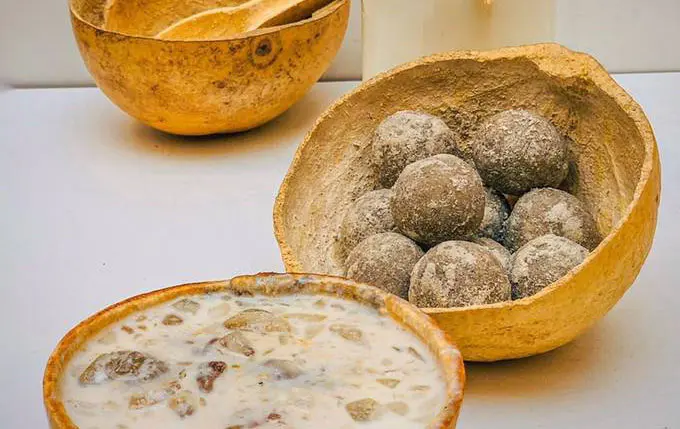
In my own understanding, many foods we now praise for antioxidants, protein density, or longevity benefits were everyday staples thousands of years ago. Ancient civilizations didn’t need nutrition labels or lab studies. They relied on observation, survival, and lived experience. And somehow, they got it right.
This article isn’t just a list of healthy foods. It’s a journey through time—into the kitchens, farms, and rituals of ancient societies—and a quiet challenge to how we think about nutrition today.
What Are Ancient Superfoods?
Ancient superfoods are foods that were cultivated or consumed by early civilizations and are still valued today for their exceptional nutritional benefits.
Unlike trendy powders or supplements, these foods:
- Have centuries (or millennia) of human use
- Supported entire populations
- Were often central to culture, religion, and medicine
In other words, they weren’t optional wellness add-ons. They were survival foods.
Who First Consumed These Traditional Superfoods ?
Long before dietitians and food pyramids, ancient farmers, hunters, and healers shaped diets based on what sustained life, often relying on Traditional Superfoods.
Civilizations That Led the Way
Some of the most influential include:
- The Egyptians
- The Mesopotamians
- Ancient Greeks and Romans
- Indigenous American civilizations (Aztec, Maya, Inca)
- Ancient Chinese and Indian societies
These cultures didn’t chase novelty. They refined what worked.
Why Ancient Societies Valued These Foods So Highly
Ancient people valued food for three main reasons:
- Energy and endurance
- Healing and prevention
- Spiritual significance
Food wasn’t separate from medicine or religion. Honey healed wounds. Grains symbolized life. Herbs connected humans to the divine.
When a food kept working generation after generation, it earned trust.
Ancient Superfoods Still Eaten Today
Let’s look at some foods that have survived the rise and fall of empires—and are now labeled “superfoods.”
Honey: The Immortal Food
Honey is famously the only food that doesn’t spoil.
Ancient Egyptians used it for:
- Wound healing
- Food preservation
- Religious offerings
Modern science now confirms its antibacterial and antioxidant properties. What was once sacred is now clinically validated.
Olive Oil: Liquid Gold of the Ancients
Used extensively by the Greeks and Romans, olive oil was:
- Food
- Medicine
- Skincare
- Fuel for lamps
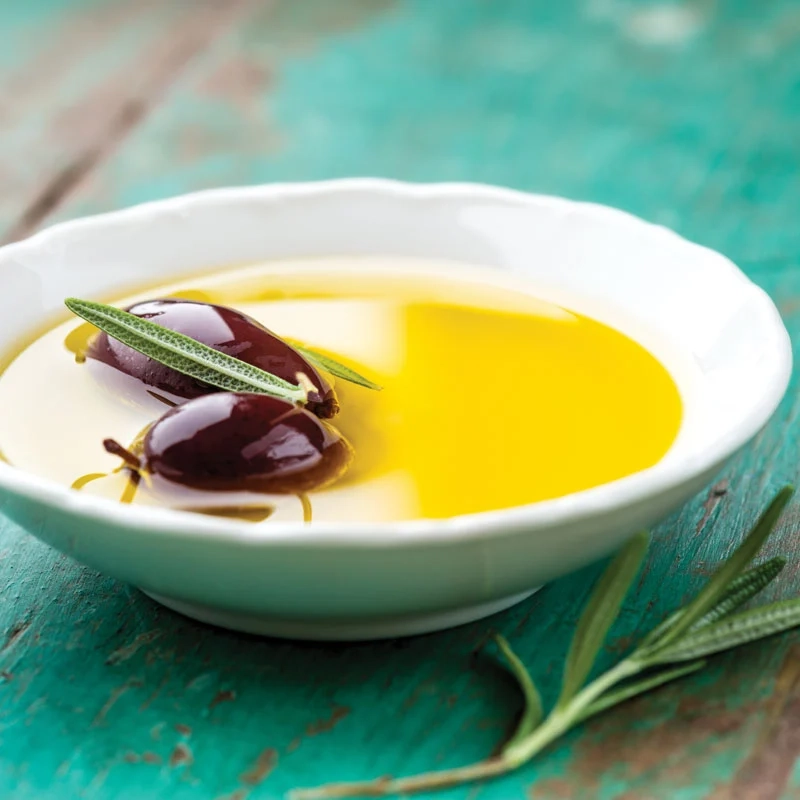
Today, it’s the backbone of the Mediterranean diet, praised for heart health and anti-inflammatory benefits.
The ancients didn’t count calories. They trusted olive oil because it sustained life.
Ancient Grains: Quinoa, Barley, and Spelt
Before refined flour, ancient civilizations relied on whole grains.
- Quinoa powered Andean civilizations
- Barley fed Mesopotamia and Egypt
- Spelt sustained early Europeans
These grains are rich in fiber, protein, and minerals—far superior to many modern processed alternatives.
Dates: The Desert’s Nutritional Powerhouse
Dates were a staple in Middle Eastern and North African diets.
They provided:
- Quick energy
- Minerals like potassium and magnesium
- Long shelf life in harsh climates
Today, athletes use dates as natural energy snacks. Ancient wisdom, modern use.
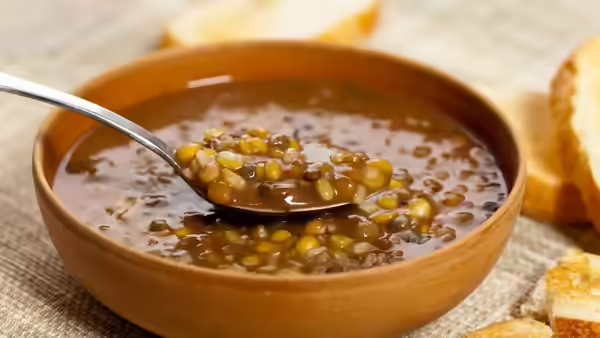
Legumes: Lentils and Chickpeas
Romans, Indians, and Middle Eastern cultures relied heavily on legumes.
They were affordable, filling, and nutritionally dense.
Modern nutrition now highlights legumes as:
- Excellent plant protein sources
- Gut-friendly foods
- Blood sugar stabilizers
What we call “plant-based” today was once just… food.
How Ancient Superfoods Were Prepared
Preparation mattered as much as the food itself.
Ancient techniques included:
- Fermentation
- Slow cooking
- Sprouting
- Stone grinding
These methods increased nutrient absorption and reduced toxins. Convenience was never the goal. Nourishment was.
When Did Modern Science Catch Up?
Interestingly, scientific validation came very late.
Only in the 20th century did nutrition science begin confirming what ancient diets demonstrated through lived success.
Antioxidants, omega fats, probiotics—these are modern terms for ancient realities.
A Contrarian Observation: Superfoods Were Never Exotic
Here’s what most articles miss.
Ancient superfoods weren’t rare or glamorous. They were local, seasonal, and ordinary.
The real issue today isn’t lack of superfoods—it’s disconnection from food systems.
We import powders while ignoring lentils. We chase berries while rejecting grains.
Ancient diets weren’t superior because of magic foods, but because of consistency.
Can Ancient Superfoods Improve Modern Health?
Yes—but only if we change how we approach them.
Ancient foods work best when:
- Eaten regularly
- Prepared properly
- Integrated into a balanced lifestyle
No ancient society relied on one food alone. Variety was the real superpower.
What Ancient Diets Teach Us About Nutrition Today
Studying ancient diets shifts the question from “What should I eat?” to “How did humans thrive for thousands of years?”
The answer isn’t restriction. It’s respect for food.
The Oldest Foods Still Eaten Today
Some contenders include:
- Honey
- Olives
- Grains
- Dates
- Wine
These foods didn’t survive by accident. They earned their place.
Conclusion: Nutrition Is Older Than Trends
Ancient foods still considered superfoods today remind us that nutrition isn’t new. It’s ancient.
Modern science didn’t invent health—it translated it.
Sometimes, the future of food looks a lot like the past.
FAQs
FAQ 1: What are ancient superfoods?
They are nutrient-dense foods consumed by ancient civilizations that remain valuable in modern diets.
FAQ 2: What is the oldest food still eaten today?
Most of these are considered Traditional Superfoods, with honey being a prime example due to its non-spoiling nature. Honey is widely considered the oldest food still consumed due to its non-spoiling nature.
FAQ 3: What did the Romans eat that we still eat today?
Olive oil, bread, lentils, wine, and fruits were Roman staples still common today.
FAQ 4: Are ancient foods healthier than modern foods?
Often yes, especially when compared to highly processed modern alternatives.
FAQ 5: Can ancient diets change how we view nutrition?
Absolutely. They emphasize balance, simplicity, and long-term health over quick fixes.