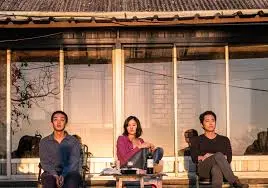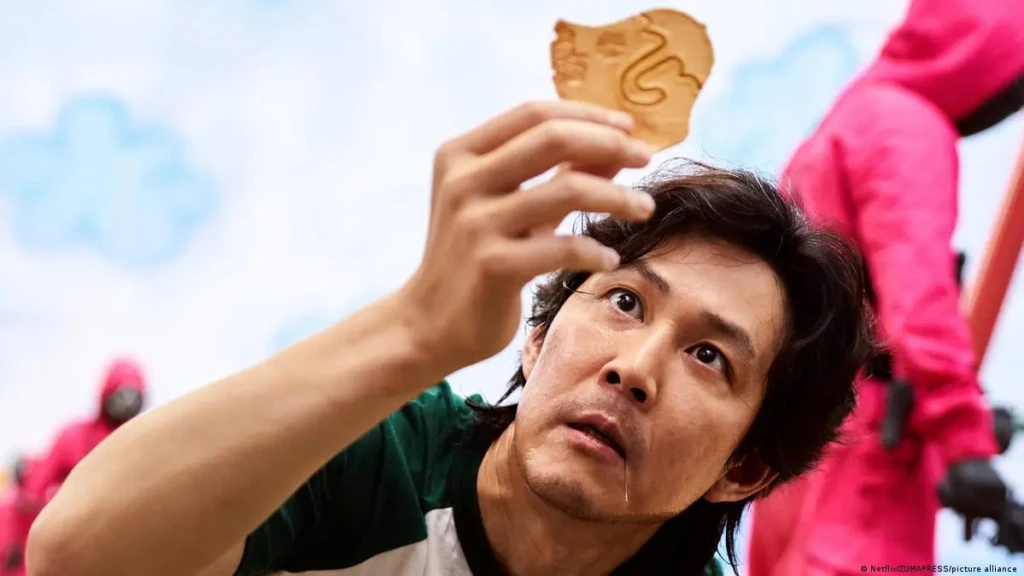
With its distinctive storytelling, striking cinematography, and profound emotional impact, Korean cinema has swept the globe. However, what distinguishes it from other international film industries? Its skillful fusion of contemporary storytelling with traditional culture is the key. Traditional Korean themes give the films a great cultural depth and authenticity, whether they are historical epics or modern dramas. Let’s examine how traditional culture has shaped Korean cinema.
The Influence of Traditional Culture on Korean Cinema

Korean cinema isn’t just about entertainment; it’s a reflection of the country’s identity, history, and societal values. Traditional culture provides the backbone, influencing everything from plotlines to character development and visual aesthetics. By weaving traditional elements into modern storytelling, Korean filmmakers create a cinematic experience that’s both captivating and culturally rich.
Historical Narratives: Bringing the Past to Life

One of the most significant ways traditional culture influences Korean cinema is through historical narratives. Movies like The Throne and Masquerade transport viewers to the Joseon Dynasty, showcasing historical events, royal intrigue, and societal norms of the time. These films don’t merely retell history; they provide a cultural context, exploring themes of loyalty, honor, and familial duty deeply rooted in Korean tradition.
Traditional Folklore and Mythology in Storytelling

Folklore and mythology are integral parts of Korean culture, influencing cinematic narratives with supernatural elements and moral lessons. Movies such as The Wailing and Along with the Gods draw from traditional Korean shamanism, incorporating gods, spirits, and afterlife beliefs. This mystical touch not only adds suspense but also offers insights into Korea’s spiritual heritage.
Cultural Symbols and Their Cinematic Significance

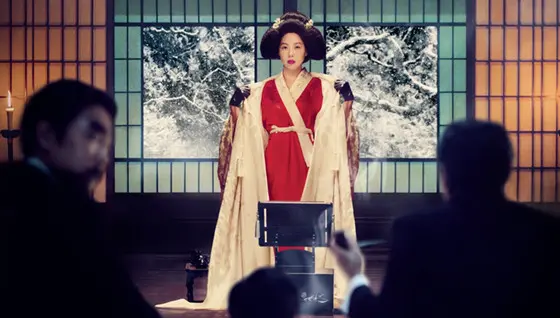
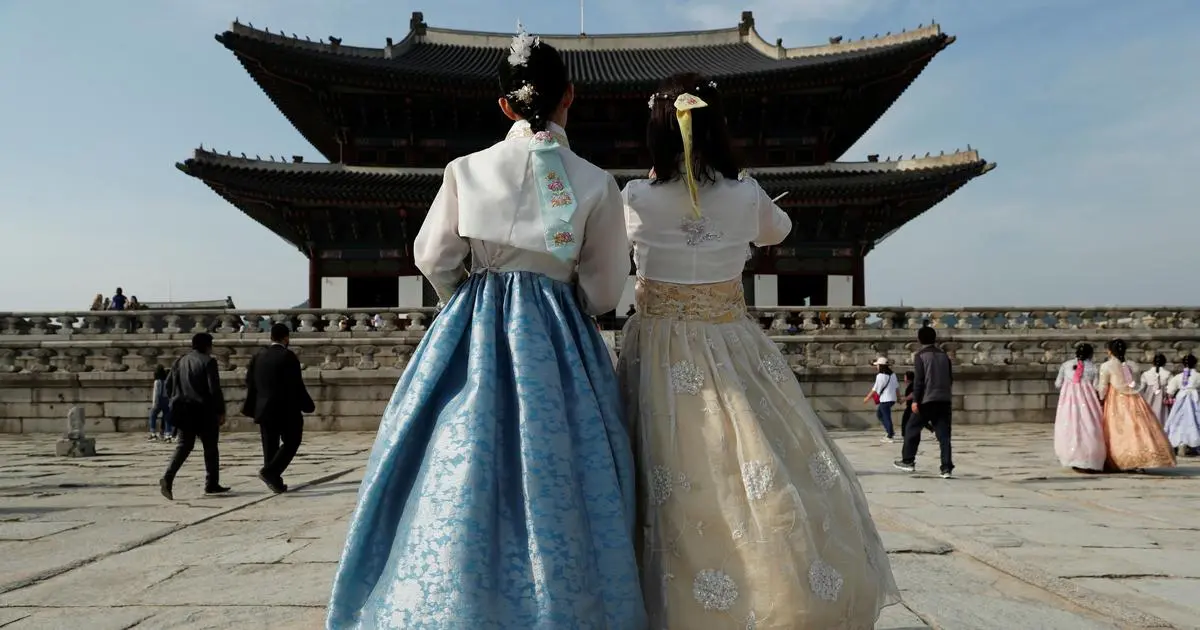
Korean cinema frequently utilizes cultural symbols to enhance storytelling. The use of traditional clothing (Hanbok), architecture (Hanok), and historical artifacts provides visual authenticity while connecting modern narratives to Korea’s cultural roots. In films like The Handmaiden, traditional settings and costumes create a visually immersive experience that resonates with cultural nostalgia.
Family Values and Confucian Influence
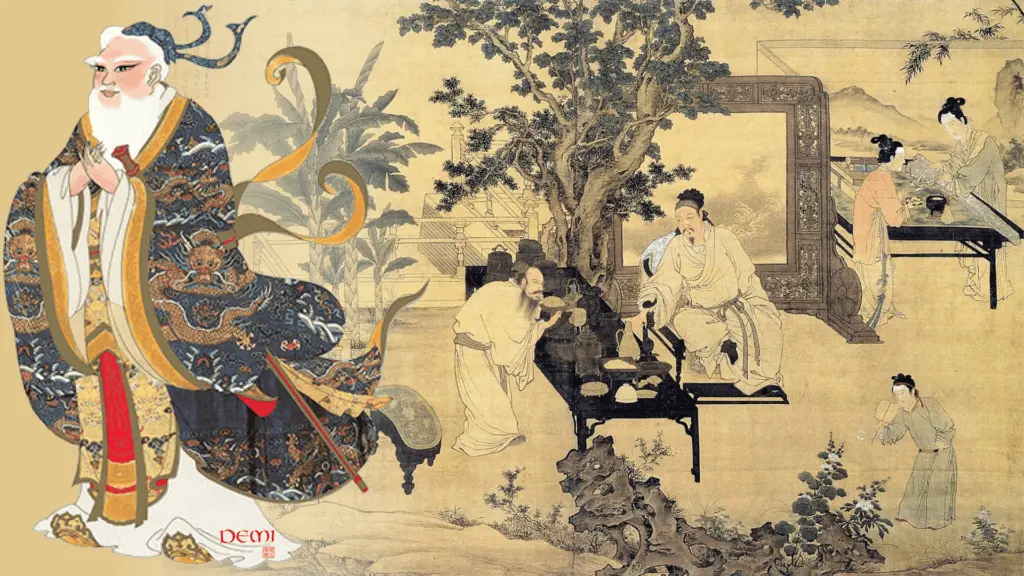
Confucianism, which emphasizes respect for hierarchy, family loyalty, and social harmony, significantly shapes Korean cinema. Films often explore complex family dynamics, reflecting traditional values and societal expectations. Movies like Parasite and The Host delve into familial responsibilities and class struggles, highlighting the influence of Confucian ethics on modern Korean society.
Traditional Music and Soundscapes

Music plays a crucial role in evoking cultural emotions. Korean cinema frequently incorporates traditional music forms like Pansori (a form of musical storytelling) and folk melodies to enhance narrative depth. For example, The King and the Clown effectively uses traditional soundscapes to transport viewers to historical Korea, creating an emotional connection through cultural authenticity.
The Role of Traditional Dance and Performance Arts
Films frequently use traditional Korean dance and performance arts, such as Pungmul (folk drumming) and Talchum (mask dancing), to represent cultural identity and resistance. Pansori painting is used as a metaphor for tenacity and cultural preservation in Seopyeonje, showcasing the effectiveness of traditional arts in cinematic narrative.
Social Commentary Through Cultural Lenses
Korean filmmakers often use traditional cultural themes to comment on contemporary social issues. By juxtaposing tradition with modernity, movies explore societal conflicts, generational gaps, and cultural identity crises. Burning and Poetry are perfect examples, blending traditional cultural motifs with modern existentialism to provide thought-provoking social commentary.
Modern Adaptations of Traditional Literature
Korean cinema frequently adapts classical literature and folktales, giving them a contemporary twist. Movies like A Tale of Two Sisters are inspired by traditional ghost stories but are reimagined with psychological depth and modern horror elements. These adaptations preserve cultural heritage while appealing to modern audiences.
Traditional Aesthetics and Cinematography
Visual storytelling in Korean cinema often draws from traditional aesthetics, emphasizing balance, harmony, and nature. Directors like Park Chan-wook and Kim Ki-duk use scenic landscapes and minimalist compositions influenced by traditional Korean art and philosophy, creating a poetic cinematic style that captivates audiences worldwide.
Food as a Cultural Narrative
Food plays a symbolic role in Korean cinema, representing tradition, family bonds, and cultural identity. Movies such as Little Forest and The Recipe use traditional dishes to evoke nostalgia and convey emotional narratives. This culinary storytelling provides cultural insight while appealing to the senses.
The Evolution of Traditional Themes in Contemporary Cinema
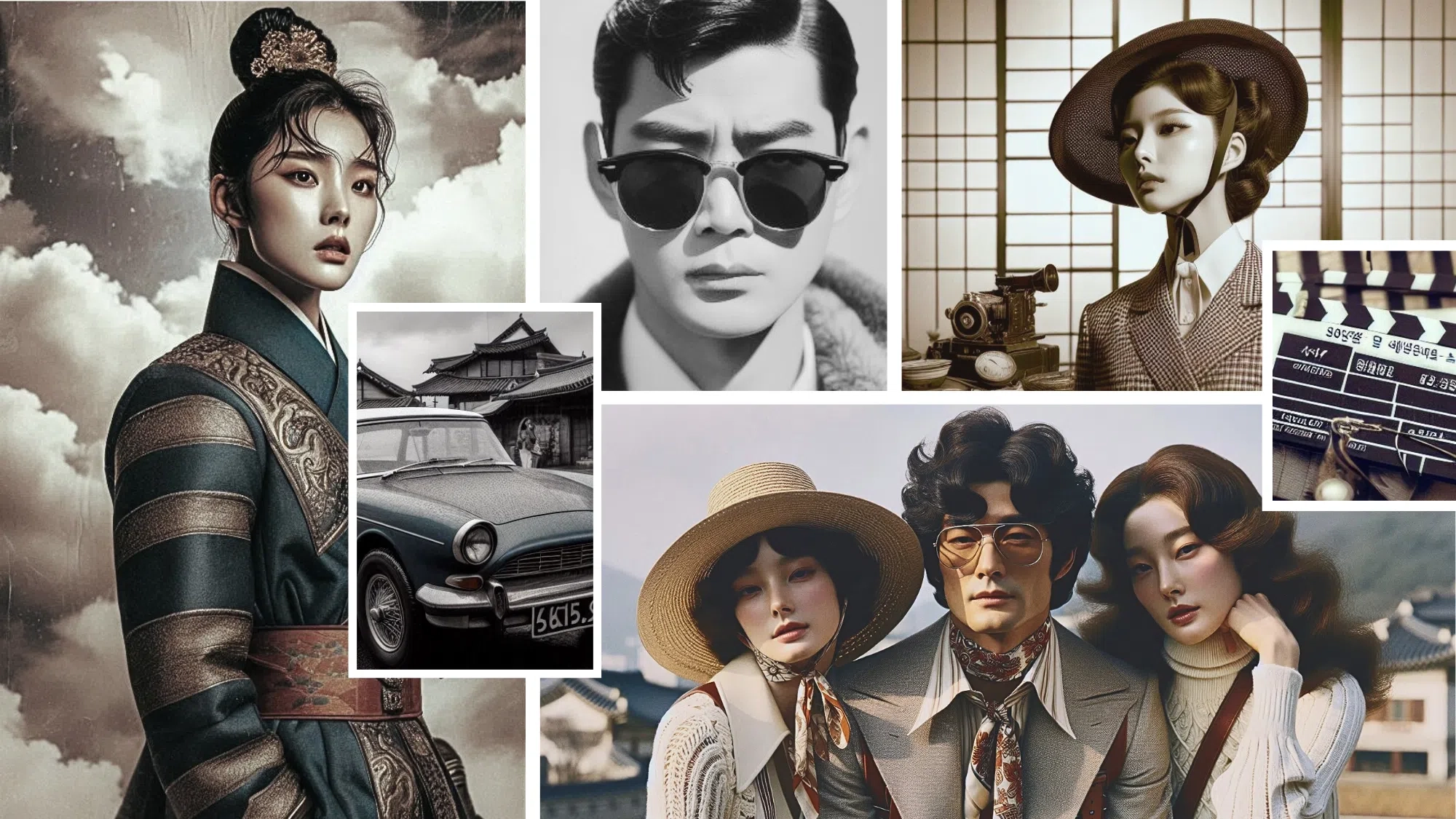
As Korean cinema evolves, traditional cultural themes continue to adapt, reflecting the dynamic balance between heritage and modernity. Filmmakers creatively blend traditional narratives with futuristic settings, as seen in The Witch: Part 1. The Subversion, showcasing the versatility of cultural storytelling.
Global Impact of Korean Cinema’s Cultural Authenticity
The global success of Korean cinema, from Oldboy to Parasite, is partly due to its cultural authenticity. By staying true to traditional roots while exploring universal themes, Korean films resonate with international audiences, bridging cultural gaps and fostering global appreciation for Korean heritage.
Challenges of Representing Traditional Culture
While traditional culture enriches Korean cinema, it also presents challenges. Filmmakers must balance authenticity with modern relevance, avoiding stereotypes and cultural clichés. The portrayal of historical events and traditional values requires sensitivity and accuracy to maintain cultural integrity.
Future of Traditional Culture in Korean Cinema
The future of Korean cinema lies in its ability to innovate while preserving cultural heritage. As global audiences continue to embrace Korean films, traditional cultural elements will likely remain a vital storytelling tool, ensuring that Korean cinema stays culturally relevant and globally influential.
Conclusion: A Cultural Cinematic Journey
Korean cinema’s unique blend of traditional culture and modern storytelling creates a rich cinematic experience that resonates on a global scale. By exploring historical narratives, folklore, family values, and cultural symbols, Korean filmmakers craft emotionally compelling stories with deep cultural significance. As traditional elements continue to inspire contemporary narratives, Korean cinema will undoubtedly remain a powerful cultural force, captivating audiences worldwide with its authenticity and artistic brilliance.
FAQs
1. Why is traditional culture important in Korean cinema?
Traditional culture provides historical context, emotional depth, and cultural authenticity, enriching storytelling and connecting modern narratives to Korea’s heritage.
2. Which Korean movies best showcase traditional culture?
Movies like The Throne, Masquerade, The Handmaiden, and Seopyeonje beautifully portray traditional Korean culture through historical narratives, music, and aesthetics.
3. How does Korean cinema balance tradition and modernity?
Korean cinema creatively blends traditional narratives with contemporary themes, allowing cultural preservation while exploring modern societal issues.
4. What role does Confucianism play in Korean films?
Confucian values influence character dynamics, societal expectations, and moral conflicts, shaping narratives around family loyalty, hierarchy, and social harmony.
5. How has Korean cinema influenced global audiences?
By staying true to cultural roots and addressing universal themes, Korean cinema resonates globally, fostering cultural appreciation and influencing international filmmaking.