Introduction: How Could One Volcano Change the World?
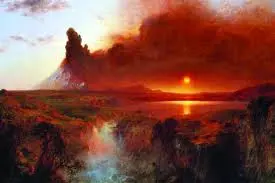
When people search “What caused the Year Without a Summer?” they’re usually looking for a scientific explanation. A volcano erupted. The weather changed. Crops failed. End of story. But that answer barely scratches the surface.
What if I told you that a single volcanic eruption didn’t just cool the planet, but quietly reshaped what people wore, what they ate, and even the stories they told? In 1816, the Earth experienced a year so cold, dark, and unpredictable that summer never truly arrived. The cause was Mount Tambora, a volcano in Indonesia whose explosion altered global climate patterns.
This article takes a different angle. Instead of focusing only on weather and famine, we’ll explore how human creativity responded to environmental shock. Fashion adapted. Food systems improvised. Fiction turned darker, stranger, and more imaginative. The Year Without a Summer wasn’t just a climate event. It was a cultural turning point.
What Was the Year Without a Summer?
A brief explanation of an abnormal year
The Year Without a Summer refers to 1816, when global temperatures dropped significantly following the 1815 eruption of Mount Tambora. Ash and sulfur aerosols spread through the atmosphere, blocking sunlight and cooling the planet.
The result was a year marked by snow in June, failed harvests, unseasonal frosts, and persistent darkness. But climate disruption is only part of the story.
Mount Tambora: The Explosion That Reached the Sky
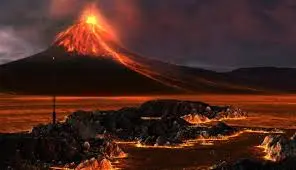
The most powerful volcanic eruption in recorded history
Mount Tambora’s eruption was catastrophic. It ejected enormous amounts of ash and gas into the stratosphere, creating a global sunshade.
This wasn’t a local disaster. It was planetary. The eruption altered atmospheric chemistry, lowered global temperatures, and disrupted weather patterns for years. Nature pulled a lever humanity didn’t even know existed.
Climate Shock and Human Adaptation
When nature rewrites the rules
Humans are remarkably adaptive. When familiar systems fail, we don’t just survive, we reinvent.
The sudden cold forced societies to rethink seasonal expectations, agricultural cycles, and daily habits. Out of necessity, innovation emerged.
How the Cold Changed What People Wore
Fashion as survival, not expression
Before 1816, European fashion favored light fabrics and classical silhouettes inspired by ancient Greece and Rome. But cold summers made thin dresses impractical.
Heavier fabrics returned. Wool, layered garments, and darker colors became common again. Fashion shifted from idealized elegance to functional warmth. Climate dictated style.
Why darker clothing became dominant
Persistent cloud cover and low light influenced dye choices and aesthetics. Darker tones absorbed warmth and hid wear better during hardship.
Fashion subtly mirrored the emotional atmosphere of the time: muted, restrained, and practical.
Food Shortages and Desperate Innovation
When crops fail, creativity begins
The cold devastated wheat, corn, and barley crops. Food prices skyrocketed. Hunger spread across Europe and North America.
But necessity pushed experimentation.
The rise of alternative foods
People turned to root vegetables, wild plants, oats, rye, and unconventional grains. In some regions, potatoes became dietary staples, reshaping cuisines permanently.
Scarcity rewired taste.
The Birth of New Food Systems

Preservation over abundance
Food preservation techniques gained importance. Drying, pickling, and fermentation weren’t trends. They were lifelines.
This era accelerated humanity’s understanding of food storage and resilience, lessons that still resonate today.
Psychological Impact of a Sunless Year
What happens when summer disappears?
Long periods of cold and darkness affected mental health. People reported anxiety, melancholy, and a sense of doom.
This emotional climate bled into art and literature.
A Dark Summer That Gave Birth to Gothic Fiction
The famous rainy retreat
In 1816, a group of writers, including Mary Shelley and Lord Byron, were trapped indoors by relentless rain near Lake Geneva.
With nowhere to go, they told ghost stories.
The creation of Frankenstein
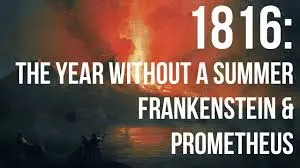
Out of that gloomy summer came Frankenstein, a story about creation, isolation, and unintended consequences.
It’s no coincidence. The novel reflects a world where nature felt hostile and unpredictable. Fiction became a mirror of environmental anxiety.
Why Horror Thrived During Climate Uncertainty
Fear as cultural processing
When the world feels unstable, stories explore loss of control, human fragility, and the limits of science.
The Year Without a Summer didn’t invent horror, but it reshaped its tone, making it more psychological and existential.
Art, Color, and the Ash-Filled Sky
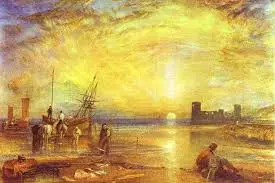
Sunsets that inspired painters
Volcanic ash created vivid red and orange sunsets across Europe. Artists captured these skies, unknowingly documenting climate science through paint.
Art became atmospheric evidence.
Economic Ripple Effects Across Continents
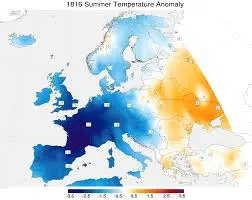
Migration, unrest, and instability
Food shortages triggered riots, migration, and political tension. Many families left rural areas in search of stability.
Climate disruption quietly rearranged demographics.
Lessons the Year Without a Summer Still Teaches Us
Climate change is not abstract
1816 proves that environmental shifts ripple through every layer of society. Culture doesn’t exist separate from climate. It responds to it.
What we eat, wear, and imagine adapts when the planet changes.
Modern Parallels We Can’t Ignore
Why this history matters now
Today’s climate challenges echo 1816. Unpredictable weather, food insecurity, cultural anxiety.
The difference is that we have foresight.
History isn’t a warning. It’s a guide.
Resilience Through Creativity
Human culture bends, not breaks
The Year Without a Summer shows that even in crisis, humans create. We adjust fashion, reinvent food, and write new stories.
Creativity becomes survival.
Conclusion: When the Climate Writes Culture
The Year Without a Summer wasn’t just a meteorological anomaly. It was a reminder that nature shapes civilization as much as civilization shapes nature.
A single volcanic eruption altered fashion trends, redefined diets, and gave rise to enduring works of fiction. Out of cold, darkness, and hunger came adaptation, innovation, and creativity.
If there’s one lesson to take forward, it’s this: when the environment changes, culture listens. And in listening, humanity finds new ways to endure.
FAQs
What caused the Year Without a Summer?
It was caused by the 1815 eruption of Mount Tambora, which released ash and sulfur into the atmosphere, blocking sunlight.
Why did crops fail in 1816?
Lower global temperatures and unpredictable weather disrupted growing seasons, leading to widespread crop failure.
How did the Year Without a Summer influence literature?
It inspired darker, more introspective fiction, including Mary Shelley’s Frankenstein, shaped by isolation and environmental anxiety.
Did fashion really change because of climate?
Yes. Heavier fabrics, darker colors, and layered clothing returned due to persistent cold conditions.
What can we learn from the Year Without a Summer today?
It shows how climate events reshape society and highlights the importance of resilience, adaptation, and foresight.