Introduction: Did People Really Talk More Before Screens?
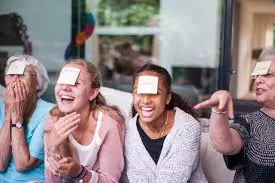
One of the most common questions people ask when reading about history is surprisingly personal: Were conversations deeper in the past, or do we just imagine they were? The answer isn’t as simple as nostalgia. Before televisions, smartphones, and endless scrolling, people relied on shared rituals to spark interaction. One of the most powerful of those rituals was the parlor game.
My angle here is this: parlor games didn’t just entertain people, they trained them to communicate. These games quietly taught listening, storytelling, wit, and emotional intelligence. If conversation is a skill, then parlor games were its informal classroom.
What Were Parlor Games, Really?
More than entertainment
Parlor games were social games played indoors, often in living rooms or drawing rooms, particularly during the 18th and 19th centuries. They ranged from word games and riddles to improvisational storytelling and lighthearted challenges.
Unlike modern board games focused on winning, many parlor games were designed to encourage interaction rather than competition.
Why they became so popular
In eras without electronic entertainment, evenings stretched long and quiet. Families and guests needed ways to fill the hours, especially during winter.
Parlor games offered:
- Structured interaction for guests who barely knew each other
- A socially acceptable way to laugh, flirt, and debate
- A break from rigid social etiquette
In many ways, they were the social glue of their time.
How Parlor Games Strengthened Social Bonds
Shared laughter lowers barriers
When people laugh together, social distance shrinks. Parlor games created moments of harmless embarrassment, clever wordplay, and spontaneous humor.
Those shared experiences formed memories, and memories build bonds faster than polite small talk ever could.
Conversation became collaborative
Many games required storytelling or answering imaginative prompts. Instead of one person dominating a conversation, everyone contributed.
This turned conversation into something like a woven tapestry, each voice adding a thread.
The Psychology Behind Play and Connection
Play encourages vulnerability
Games create a temporary world with relaxed rules. People feel safer expressing ideas or humor they might otherwise hold back.
Modern psychologists often note that play lowers social anxiety and increases trust. Parlor games achieved this centuries before research explained why it worked.
Imagination activates empathy
Story-based games required players to think from another person’s perspective. That simple mental exercise strengthened empathy, one round at a time.
Popular Parlor Games That Encouraged Conversation
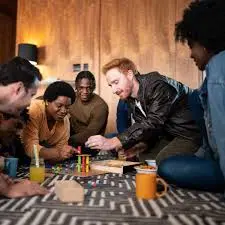
Word and storytelling games
Games like Consequences or Exquisite Corpse encouraged players to build stories collectively. The unpredictability sparked laughter and creativity.
These games trained people to:
- Listen closely
- Respond thoughtfully
- Build on others’ ideas
Those are the same skills that make conversations meaningful today.
Question-based games
Games involving moral dilemmas or imaginative questions pushed players to reveal opinions and values. Guests often learned more about each other in an hour of play than in weeks of formal visits.
Why Conversation Was a Social Skill People Practiced
Conversation was social currency
In many historical societies, the ability to converse well was highly valued. Wit, storytelling, and attentive listening could shape reputations.
Parlor games functioned almost like practice sessions, sharpening those abilities in a relaxed setting.
Silence felt different then
Today, silence often feels comfortable because devices fill the gap. In the past, silence in a room full of guests felt awkward.
Games provided a bridge between strangers and friends.
The Role of Parlor Games in Courtship and Friendship
Safe spaces for connection
Social norms often limited direct romantic interaction, especially in the 19th century. Parlor games provided a socially acceptable environment where young people could interact naturally.
A shared laugh over a playful challenge often did more than formal introductions ever could.
Friendships formed through participation
Participation created belonging. Even shy guests could join structured games more easily than free-form conversation.
Games gave everyone a role, and roles build confidence.
What We Lost When Parlor Games Disappeared

Conversation became passive
As radio, television, and later digital entertainment took over evenings, people shifted from participating to observing.
Watching requires less effort than engaging. Over time, conversational stamina faded like an unused muscle.
Fewer structured ways to connect
Today, gatherings often rely on unstructured conversation, which can stall easily, especially among people who don’t know each other well.
Parlor games once solved that problem elegantly.
Why Parlor Games Are Making a Quiet Comeback
People crave authentic interaction
In a world saturated with digital communication, many people are rediscovering the pleasure of face-to-face conversation.
Modern versions of parlor-style games are appearing at dinner parties, family gatherings, and team-building events.
The appeal of shared experiences
Experiences create stronger memories than passive entertainment. A lively storytelling game can linger in memory long after a movie fades.
How to Reintroduce Parlor Games Today

Start simple
You don’t need elaborate props or rules. Simple games involving questions, storytelling, or word association work beautifully.
The goal isn’t competition. It’s connection.
Focus on atmosphere
Lighting, comfortable seating, and a relaxed mood matter more than the game itself. Conversation thrives in environments where people feel at ease.
Lessons Parlor Games Teach About Human Nature

People want to be heard
Many games revolve around taking turns speaking and listening. That rhythm reflects a fundamental human need: to be acknowledged.
Stories bring people together
Humans are natural storytellers. Parlor games tapped into that instinct long before neuroscience explained why stories captivate us.
Conclusion: Conversation Is a Skill We Can Rediscover
The lost art of conversation was never truly lost. It simply went quiet beneath layers of distraction. Parlor games remind us that conversation flourishes when given structure, encouragement, and a sense of play.
If we want deeper connections, the answer isn’t complicated. Put people in a room, give them a reason to laugh, and let the conversation unfold like a lantern slowly brightening a dim space.
Sometimes the oldest tools are still the best.
FAQs
What is considered a parlor game?
A parlor game is a social game played indoors that emphasizes conversation, storytelling, or group participation rather than intense competition.
Why were parlor games important historically?
They helped people socialize, strengthen relationships, and practice conversational skills in eras without electronic entertainment.
Are parlor games still relevant today?
Yes. Many modern social and party games are direct descendants of traditional parlor games and serve the same purpose of encouraging interaction.
What makes a good conversation game?
Games that encourage creativity, storytelling, or thoughtful questions tend to generate the most engaging conversations.
Can parlor games improve communication skills?
Yes. They promote listening, turn-taking, empathy, and clear expression, all essential communication skills.