Introduction: Debunking Myths with Archaeology and Tooth Calculus
When we picture Vikings today, what comes to mind? Longships slicing through icy seas, horned helmets (a myth!), and burly warriors feasting on slabs of meat. But strip away the Hollywood imagery, and you find a far more complex and dynamic picture — one that’s hidden not in sagas, but in their mouths. Specifically, in hardened plaque on their teeth known as dental calculus, which acts like a prehistoric black box recorder of every meal they consumed, revealing their real Norse food habits.
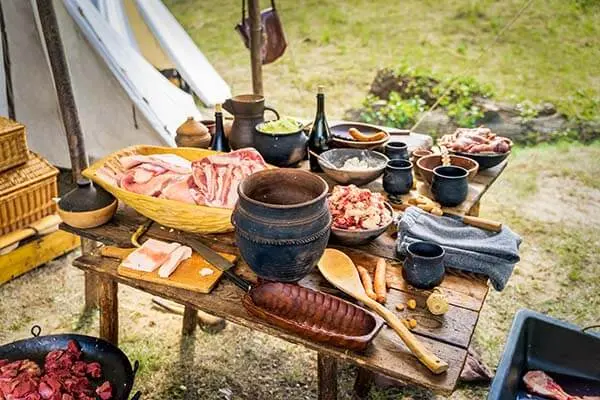
This isn’t just about rethinking Viking eating habits for fun. It’s about grounding our understanding of their diet in scientific evidence — from bones and plant remains to microscopic scraps preserved in dental calculus. Archaeologists are now decoding what Vikings ate by combining traditional excavation data with cutting‑edge biomolecular analysis. This approach reveals a nuanced dietary strategy shaped by geography, survival, and seasonality, challenging everything we think we know about the so‑called “Viking diet.”
Let’s sail into what the evidence actually tells us.
Who Were the Vikings — and What Did They Eat?
When we use the word Viking, we’re talking about Norse people — primarily from Scandinavia — who lived between approximately 800 and 1050 CE. They were seafarers, farmers, traders, and settlers whose activity stretched from Greenland to Eastern Europe.
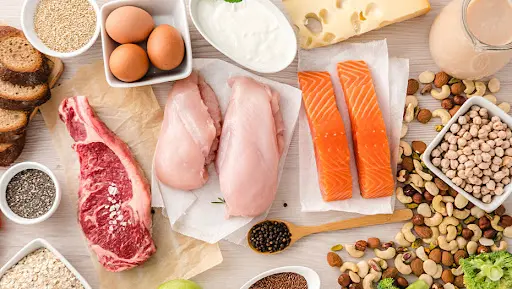
Contrary to the one‑dimensional stereotype of nonstop meat consumption, the Viking diet was actually broad and adaptable, influenced by environment, season, status, and activity. Archaeological finds from settlement sites reveal remains of cereals, livestock, wild game, fish, and even plant foods. (viking.no)
So what was on the Viking plate?
Staple Foods of Everyday Life
Vikings relied heavily on:
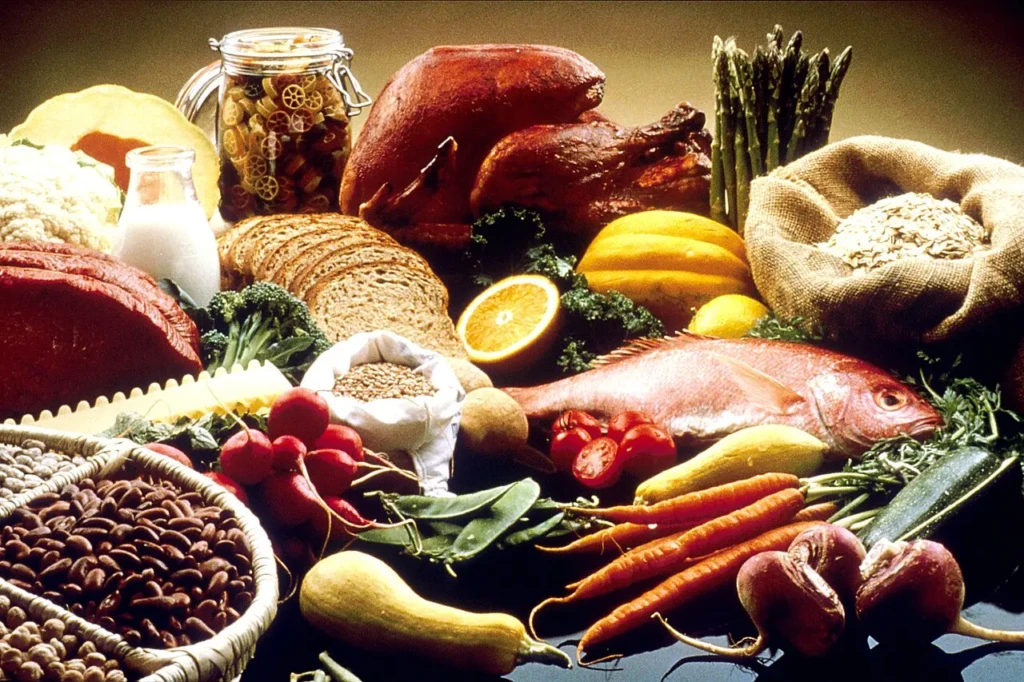
- Grains and cereals like barley, rye, oats, and occasionally wheat — used for porridge, bread, and even beer. (viking.no)
- Dairy products from cows, goats, and sheep — including milk, butter, cheese, and fermented skyr‑like foods. (sciencenorway.no)
- Meat and fish: Beef, pork, mutton, and poultry were eaten regularly, while fish — especially herring, salmon, and cod — was critical in coastal communities and often dried, salted, or smoked. (National Museum of Denmark)
- Vegetables and legumes such as peas, beans, cabbage, onions, and root crops. (viking.no)
- Berries and fruits when in season, and honey as the primary sweetener — sometimes fermented into mead. (HeritageDaily – Archaeology News)
This diversity shows they were not eating a single “Viking steak diet” but rather a complex, resilient nutritional strategy — especially necessary in unpredictable northern environments.
Why Tooth Calculus Matters: The Biological Black Box
So what does dental calculus have to do with anything? Think of it as nature’s data logger. Unlike bones, which show broad patterns like isotopic ratios (meat vs plant), dental calculus traps microscopic food particles, proteins, starch grains, and even traces of dairy proteins. (ScienceDaily)
This hardened plaque becomes a time capsule — preserving direct biomarkers of foods that people actually ate and chewed. Proteins like β‑lactoglobulin, a dairy protein, can be detected millennia later, giving unequivocal evidence of milk consumption. (Nature)
So while bones and isotopes can tell us categories of diet, calculus gives us specifics — fingerprints of actual meals.
Archaeological Evidence: What Vikings Actually Consumed
Instead of relying on medieval tales or modern assumptions, archaeologists dig into physical evidence:
1. Cereals, Bread, and Beer
Grains were a foundation of Viking nutrition. Barley, rye, and oats were grown across Scandinavia and used in multiple ways.
- Porridge and bread kept people fed during long workdays. (viking.no)
- Beer and ale were common beverages — calories and hydration in one. (Sons of Vikings)
And because grains were so integral, they contribute significantly to tooth wear and decay — something researchers see clearly in dental studies. (History)
2. Dairy: Milk, Cheese, and Whey
Thanks to dental calculus research, we know milk products were consumed by Vikings because of preserved dairy proteins found directly in calculus. (PMC)
These weren’t just dietary staples — they were nutritional insurance. Milk fats and proteins provided crucial energy during harsh winters when fresh plant food was scarce. And dairy by‑products like whey were used in food preservation and cooking. (PMC)
3. Meat and Fish
Livestock bones and fish remains from sites across Scandinavia point to a diet rich in animal protein, but also preservation strategies:
- Meat was boiled in stews rather than roasted. (History)
- Fish like herring and cod were dried or salted to last through long voyages or winters. (National Museum of Denmark)
In Norse Greenland sites, archaeologists found evidence of heavy reliance on seal and caribou meats, demonstrating regional variation in diet. (Wikipedia)
4. Vegetables, Roots, and Foraged Foods
Though less well preserved archaeologically, plant remains indicate that Vikings consumed a variety of roots, herbs, and vegetables when available. (viking.no)
The Myth of the Meat‑Only Viking
A persistent myth suggests Vikings were exclusively meat eaters — fierce carnivores fueled by pig and beef alone. But nothing could be further from the truth. In reality:
- Seasonality and environment dictated diet — coastal folk ate more fish, inland farmers relied more on grains and dairy. (sciencenorway.no)
- High starch consumption in bread and porridge contributed to dental issues seen in remains. (History)
- Dental calculus analysis shows direct evidence of dairy proteins — not just assumptions based on livestock bone counts. (PMC)
This paints a picture of balanced, adaptive nutrition — and a survival strategy, not a steak‑only lifestyle.
Dental Evidence: The Wear and Tear of Viking Lives
If calculus tells us what they ate, the condition of their teeth tells us how their diet affected them.
Archaeological dental studies show:
- Extensive wear, consistent with diets that included coarse grains and tough foods. (MDPI)
- Cavities from starch and sugar (from porridge and honey) — demonstrating a real allergy the Vikings may not have had for sugar, but still experienced the effects. (History)
- Calculus deposits preserving direct food evidence. (ScienceDaily)
Modern reconstructions show that acidic whey drinks and fermented foods possibly contributed to enamel erosion. (Medievalists.net)
In this sense, Viking teeth weren’t just tools — they were archives of daily diet.
Regional Differences in Viking Nutrition
One of the most fascinating insights from archaeological dietology is that Viking nutrition was not one uniform thing. Geography, climate, and social status heavily influenced what people ate.
Coastal vs Inland
Coastal communities subsisted heavily on:
- Fish and marine mammals
- Salted, dried seafood
- Seaweed and coastal plants
Inland farm populations consumed:
- Grains and dairy
- Domestic livestock meat
- Seasonal vegetables
Greenland Norse settlers, for example, had more reliance on seal meat and marine resources as agriculture was more difficult in colder climates. (Wikipedia)
Why Misconceptions Persist
So why do misleading images of the Viking diet linger?
- Pop culture romanticizes the steak‑eating warrior.
- Simplistic interpretations of skeletal remains overemphasized meat.
- Lack of biomolecular evidence in earlier studies made diet reconstruction speculative.
When you add dental calculus analysis into the mix, you get a far richer and more accurate understanding of Viking nutrition — one built on archaeological truth rather than myth.
Conclusion: A Survival Diet, Not a Stereotype
So what was the “Viking diet”? It wasn’t a fad plan, nor a high‑protein barbarian buffet. It was nutrition adapted to circumstance — a careful balance of cereals, dairy, meat, fish, and foraged foods, shaped by environment and survival needs.
Tooth calculus acts like a biological black box, letting us read the menu in microscopic detail. It shows us dairy proteins, plant particles, and environmental inputs that bones alone can’t reveal. This is why, instead of stereotype, we now see a diet that was regional, seasonal, and remarkably resilient.
In other words: what Vikings ate was practical, not Instagram‑worthy. By looking into their mouths — rather than into myth — we finally uncover their true Norse food habits, providing a window into how these people sustained themselves through harsh northern climates and changing seasons.
FAQs
FAQ 1: Who studies Viking diets and Norse food habits using archaeology and tooth calculus?
Archaeologists, bioarchaeologists, and biomolecular researchers study Viking diets and Norse food habits by analyzing skeletal remains and dental calculus to reconstruct past diets, nutrition, and food practices.
FAQ 2: What can dental calculus tell us about Norse food habits and historical diets?
Dental calculus preserves microscopic food particles and proteins, providing direct evidence of the actual foods individuals consumed and offering valuable insights into Norse food habits and broader historical diets.
FAQ 3: Did Vikings eat dairy products?
Yes. Proteomic analysis of dental calculus has identified dairy proteins like β‑lactoglobulin, confirming milk consumption. (PMC)
FAQ 4: Why did Vikings have dental wear and cavities?
Coarse grains, high‑starch foods, and occasional sugars from honey and fermented beverages contributed to dental wear and decay. (History)
FAQ 5: Did Vikings just eat meat?
No — while meat was important, grains, dairy, fish, vegetables, and foraged foods formed significant parts of their diet. (viking.no)