Introduction: Why Do Medieval Recipes Sound So Strange?
If you’ve ever opened a medieval recipe and read an instruction like “take a goat,” you’ve probably laughed, frowned, or assumed something was missing. Where are the measurements? The cooking times? The preparation steps we expect today from medieval cooking instructions?
But here’s the surprising truth: nothing is missing.
Those recipes were never meant to guide beginners. They were written for people who already lived inside the food system.
My central argument is this: phrases like “take a goat” reveal a world where food was not purchased, portioned, or abstracted—but lived, handled, and understood intimately. Medieval recipes expose the massive gap between historical daily life and modern convenience culture.
Who Wrote Medieval Recipes—and Why?
The Authors Behind the Manuscripts
Most medieval recipes were written by:
- Court scribes
- Monks and clerics
- Household stewards
- Physicians compiling dietary advice
These were not home cooks writing for the public. They were recording knowledge for elite households, religious institutions, or professional kitchens.
Which Social Classes Used Written Recipes?
This is crucial: most people never saw a written recipe.
- Peasants cooked by memory and tradition
- Artisans relied on inherited knowledge
- Written recipes served nobles, monasteries, and royal courts
So when a recipe says “take a goat,” it assumes the reader:
- Knows how to slaughter it
- Understands which parts to use
- Has access to the animal
What Does “Take a Goat” Actually Mean?
It’s Not a Shopping Instruction
In modern cooking, “take” means buy.
In medieval life, “take” meant select from what you already had.
A goat was:
- Livestock
- Wealth
- Food storage
- A living asset
The recipe isn’t telling you to go get one. It’s acknowledging that animal ownership was normal.
Which Animals Were Commonly Used in Medieval Cuisine?
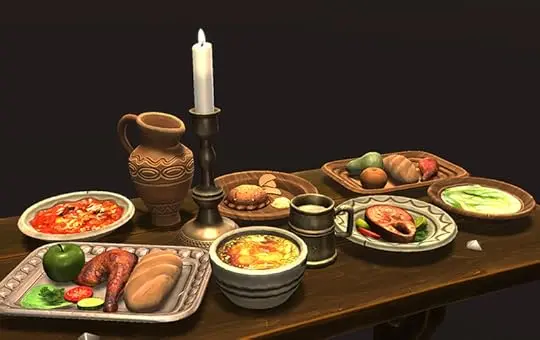
Depending on region and class:
- Goats (milk, meat, skin)
- Chickens and roosters
- Pigs
- Sheep
- Fish (especially during fasting days)
Animals weren’t ingredients—they were part of the household economy.
How Medieval People Sourced Their Food
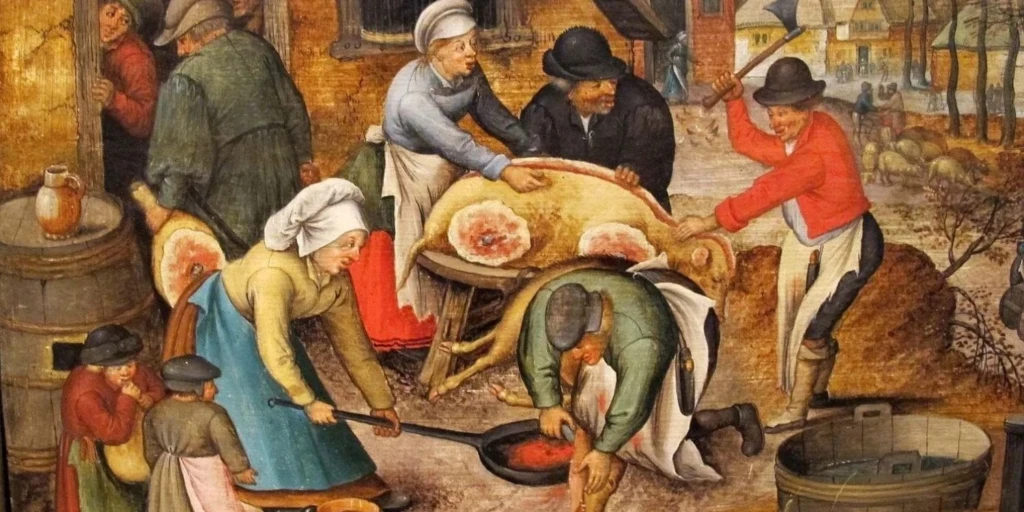
Where Did Ingredients Come From?
Medieval kitchens relied on:
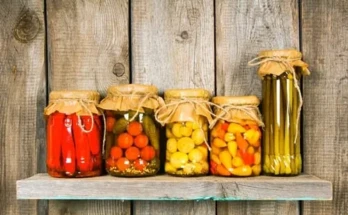
- Home gardens
- Communal lands
- Forest foraging
- Seasonal slaughter
Herbs grew outside the door. Animals lived nearby. Nothing arrived shrink-wrapped.
What Were Common Medieval Ingredients?
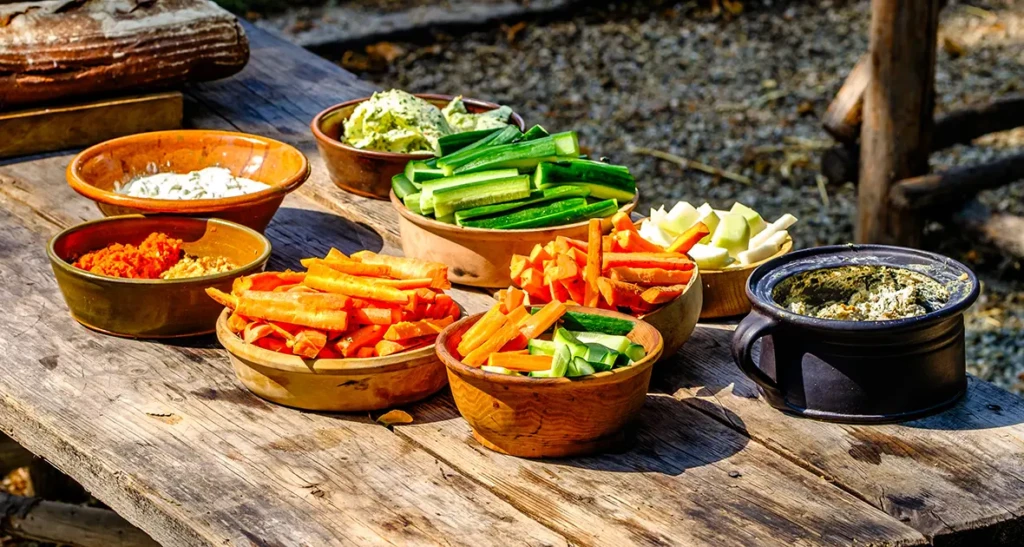
Instead of supermarkets, medieval cooks used:
- Grains (barley, rye, wheat)
- Root vegetables
- Herbs like sage, thyme, parsley
- Honey instead of sugar
- Animal fats instead of oils
Every ingredient reflected place, season, and status.
Why Medieval Recipes Were So Vague
No Measurements, No Timers—Why?
Because they weren’t necessary.
Medieval cooks relied on:
- Experience
- Sight, smell, texture
- Oral instruction
“Cook until it is enough” sounds useless today—but it made perfect sense then.
How Were Medieval Recipes Prepared Without Precision?
Knowledge lived in the hands, not on the page.
Cooking was:
- Apprenticed
- Repeated daily
- Learned by watching
The recipe was a reminder, not a tutorial.
When Were Medieval Recipes Written—and Used?
When Were Most Recipes Recorded?
Most surviving medieval recipes date from:
- 13th to 15th centuries
They appear in:
- Household manuals
- Medical texts
- Feast preparation guides
Were These Recipes Used Daily or Only for Feasts?
Many were special-occasion dishes:
- Religious festivals
- Noble banquets
- Healing diets
Daily food rarely needed writing—it was routine.
What Medieval Meals Looked Like in Reality
What Was the Most Common Food in Medieval Times?
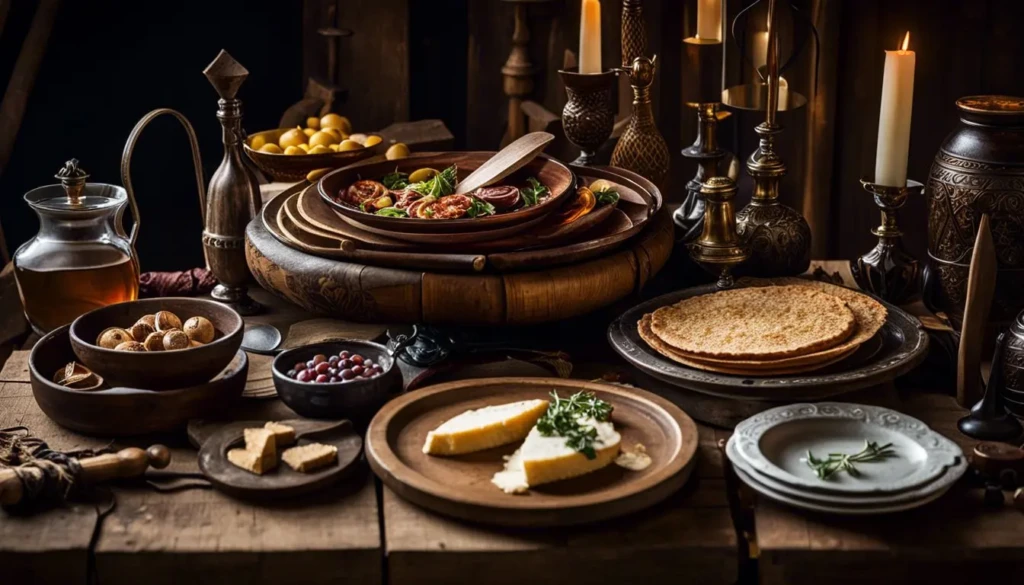
For most people:
- Bread
- Porridge
- Stews
Meat was occasional, not constant.
How Did Medieval People Cook Food?
- Open hearths
- Cauldrons
- Spits over fire
Temperature control was intuitive, not measured.
My Key Insight: Medieval Recipes Assume a Different Kind of Human
This is where most modern interpretations fail.
We read medieval recipes as instructions.
They were actually snapshots of a lifestyle.
“Take a goat” only makes sense if:
- You understand animal husbandry
- You expect physical labor
- You live close to food sources
Modern recipes exist because we’re separated from production. Medieval recipes exist because people were not.
Why Medieval Recipes Reveal So Much About Daily Life
They Show Economic Reality
Only the wealthy could afford certain animals. Ingredients signal class.
They Show Social Structure
Who cooked, who ate, and who wrote mattered.
They Show Time Perception
No rush. No timers. Cooking followed daylight, not clocks.
Can Medieval Recipes Be Recreated Today?
Can We Cook Them Accurately?
Partially.
We can replicate:
- Ingredients
- Methods
But we can’t replicate:
- Context
- Labor expectations
- Skill immersion
Modern recreations are interpretations, not revivals.
What Medieval Cooking Teaches Us About Society
Medieval recipes remind us that:
- Convenience is new
- Precision is cultural
- Abundance is historical privilege
The past wasn’t “primitive”—it was deeply skilled.
Conclusion: “Take a Goat” Is a Worldview, Not a Recipe
That simple phrase captures everything we’ve lost—and gained.
It tells us:
- Food was close
- Skills were assumed
- Life was slower but harder
Modern cooking separates us from the source. Medieval cooking embedded people inside it.
Understanding that difference doesn’t just decode recipes—it decodes history itself.
FAQs
FAQ 1: What do medieval cooking instructions like “take a goat” really mean?
Medieval cooking instructions such as “take a goat” assume direct access to livestock and practical kitchen knowledge, not modern shopping or step-by-step guidance.
FAQ 2: Who were medieval cooking instructions written for?
Medieval cooking instructions were written mainly for experienced cooks in noble households, monasteries, and large kitchens—not beginners or the general public.
FAQ 3: Why are medieval recipes so vague?
Because they were written for experienced cooks who relied on sensory judgment, not measurements.
FAQ 4: Were medieval recipes used daily?
Most written recipes were for special occasions; everyday cooking was rarely documented.
FAQ 5: Can medieval recipes be recreated today?
Yes, but only as modern interpretations—key cultural and practical contexts are missing.