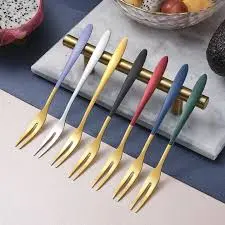
Introduction: Why Was There Ever a Fork Just for Potatoes?
If you’ve ever seen a potato fork and wondered, Why not just use a regular fork?, you’re not alone. It seems oddly specific, almost ceremonial, like a tiny tool with a surprisingly long story to tell.
Here’s the fascinating part: the potato fork isn’t really about potatoes at all. Its evolution mirrors changing dining habits, social rituals, and even industrial design. By tracing how this modest utensil changed across three centuries, we uncover how people ate, entertained, and expressed status at the table.
The Origins of Specialized Tableware
Dining Became More Refined
In the 18th century, European dining began shifting from communal platters toward more individualized settings. As etiquette grew more elaborate, so did the tools.
Utensils multiplied not because food changed dramatically, but because social expectations did. Hosts wanted meals to feel orderly and elegant, and specialized forks became part of that visual language.
Why Potatoes Needed Their Own Fork
Potatoes, once considered humble peasant food, rose in popularity and gradually appeared in formal meals. Their soft texture and tendency to crumble made them tricky to serve neatly.
A potato fork, usually shorter with broader or flatter tines, allowed diners to:
- Lift soft pieces without breaking them apart
- Serve from shared dishes without mashing the contents
- Keep hands clean during multi-course meals
What seems like a tiny innovation actually solved several practical problems at once.
The 18th Century: Utility Meets Status
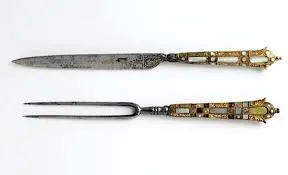
Table Settings as Social Theater
Dinner tables in the late 1700s became stages of subtle performance. Silverware reflected wealth, taste, and cultural awareness.
Owning specialized utensils, including potato forks, signaled refinement. It told guests that the host understood the rituals of polite society.
Early Materials and Craftsmanship
Potato forks from this era were often handmade. Silversmiths shaped each tine carefully, balancing strength and delicacy.
Many forks featured:
- Engraved handles
- Decorative motifs
- Family crests or initials
The fork was both tool and ornament, practical yet quietly boastful.
The 19th Century: Industrialization Changes Everything
Mass Production Arrives
The Industrial Revolution transformed tableware. Factories could produce utensils faster and more affordably, bringing specialized forks into middle-class homes.
This shift mattered. What was once a luxury became accessible, and the potato fork moved from aristocratic tables to everyday dining rooms.
Standardization of Design
Manufacturers began experimenting with shape and proportion. Over time, certain features became common:
- Shorter handles for control
- Wider spacing between tines
- Slightly curved profiles for lifting
These designs were not accidental. They reflected careful observation of how people actually served and ate potatoes.
The Role of Potatoes in Changing Food Culture
From Survival Food to Culinary Staple
As agriculture improved, potatoes became a reliable and versatile ingredient. They appeared roasted, boiled, mashed, and baked across countless cuisines.
With increased variety in preparation came new serving challenges. A fork suited for firm vegetables didn’t always handle delicate potato dishes well.
The Rise of Side Dishes
In earlier centuries, meals were often simpler. By the 19th century, multi-course dining expanded, and side dishes became more common.
A potato fork fit perfectly into this evolving structure, designed specifically for passing and serving side dishes neatly.
The 20th Century: Simplicity Returns
Decline of Specialized Utensils
By the early 1900s, dining began to simplify. Busy lifestyles and changing social norms reduced the emphasis on elaborate table settings.
Many households returned to using fewer utensils. The potato fork didn’t disappear entirely, but it became less essential.
Design Influenced by Modernism

The utensils that survived into the mid-20th century often reflected modern design principles. Ornamentation faded, replaced by clean lines and functional shapes.
The potato fork evolved into something quieter, less decorative but still purposeful.
Why Some Households Still Use Potato Forks Today
Practical Advantages
Despite their decline, potato forks still have real advantages. They handle soft foods with precision and make serving easier at large gatherings.
People who host frequently often rediscover them and appreciate their usefulness.
A Sense of Ritual
There’s also something satisfying about using the right tool for the right job. It turns an ordinary meal into a small ceremony, a moment that feels intentional rather than rushed.
In a fast-paced world, that kind of pause has value.
The Psychology of Specialized Tools

Tools Shape Behavior
When we use specific utensils, we slow down. We become more aware of the act of eating and serving.
This subtle shift changes how meals feel. Dinner becomes less mechanical and more mindful.
The Pleasure of Small Details
Humans are drawn to objects with purpose. A well-designed fork, balanced in the hand, offers a quiet kind of delight.
It’s not just about food. It’s about experience.
How Modern Design Is Reviving Interest
The Return of Thoughtful Dining
In recent years, interest in traditional dining practices has grown. People are exploring vintage tableware, slow dining, and handcrafted utensils.
The potato fork, once overlooked, is finding new admirers among collectors and hosts.
Sustainability and Longevity
Unlike disposable or low-quality utensils, well-made forks can last generations. This durability aligns with modern values around sustainability and reducing waste.
Sometimes the most forward-looking choice is also the oldest.
Lessons from the Evolution of the Potato Fork
Innovation Often Happens Quietly
Not all inventions are dramatic. Some, like the potato fork, improve everyday life in small but meaningful ways.
Culture Lives in Ordinary Objects
A simple utensil can reveal changes in agriculture, industry, etiquette, and design. History isn’t only written in books. It’s also shaped in kitchens and dining rooms.
Conclusion: A Small Fork with a Big Story
The humble potato fork evolved not just because people needed a better way to serve potatoes, but because dining itself kept changing. Each era reshaped the fork to match new values, from elegance and status to efficiency and sustainability.
And that’s the real takeaway: even the smallest tools carry the fingerprints of history. The next time you see a specialized utensil, look closer. It might be telling a story centuries in the making.
FAQs
What makes a potato fork different from a regular fork?
A potato fork typically has shorter, wider, or slightly flatter tines designed to lift soft foods without breaking them apart.
When were potato forks most popular?
They were most common during the 18th and 19th centuries, when elaborate table settings and specialized utensils were widely used.
Are potato forks still manufactured today?
Yes, though they are less common. Many are produced as part of vintage-style or specialty tableware collections.
Can a potato fork be used for other foods?
Absolutely. They work well for serving soft vegetables, casseroles, or delicate side dishes.
Why did specialized utensils fall out of favor?
Changing lifestyles, simplified dining habits, and the popularity of multipurpose utensils reduced the demand for highly specialized forks.