Introduction
Imagine a world where cinnamon, pepper, and cloves were more precious than gold. Sounds unbelievable, right? Yet, in the annals of history, spices were not just flavor enhancers—they were economic engines. The history of spices is a story of adventure, conquest, and commerce, driving the History of Global Trade long before modern shipping, airlines, or container ships existed. In my understanding, spices were among the first commodities that created truly international economic networks, shaping empires, economies, and even the cuisines we enjoy today.
The Origins of the Spice Trade
Where It All Began
Spices like black pepper, cinnamon, cardamom, nutmeg, and cloves were native to Asia, particularly India, Indonesia, and Sri Lanka. These regio]ns were rich in aromatic plants that the rest of the world found irresistible. Early civilizations—Egyptians, Greeks, and Romans—used spices for religious ceremonies, medicine, and food preservation.
Early Traders and Networks

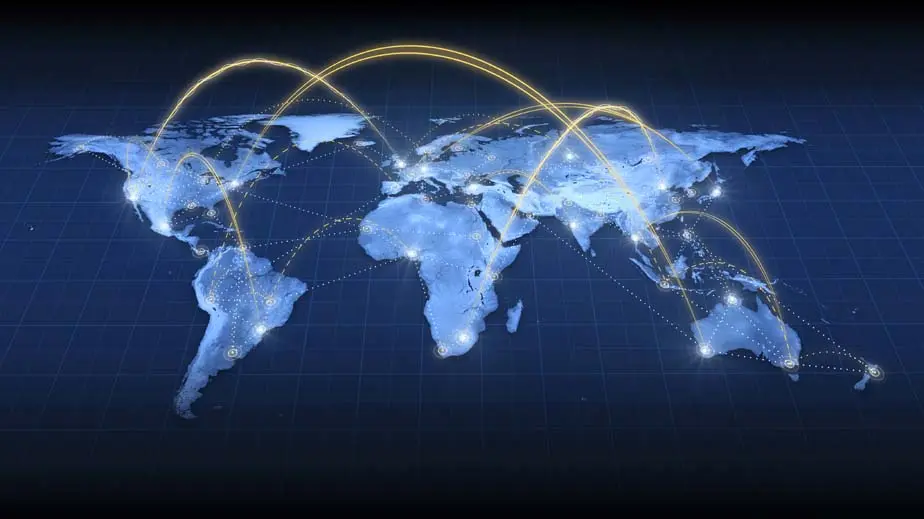
Before modern shipping, the spice trade was dominated by Indian, Arab, and later Venetian merchants. They developed intricate trade networks across the Indian Ocean, Arabia, and the Mediterranean. Caravans crossed deserts, ships navigated treacherous waters, and trade agreements were meticulously negotiated. The goal? To control access to these precious commodities.
Why Spices Were Worth More Than Gold
Think about it: a small pouch of cloves could cost more than a cow. Why? Spices were:
- Scarce: Most came from remote regions, making them difficult and dangerous to obtain.
- Status Symbols: To own exotic spices was to flaunt wealth and sophistication.
- Medicinal & Preservative Value: Before refrigeration, spices preserved food and had medicinal properties.
The combination of scarcity, desirability, and utility made spices one of the earliest global currencies.
Spices That Moved the World
Black Pepper: The King of Spices
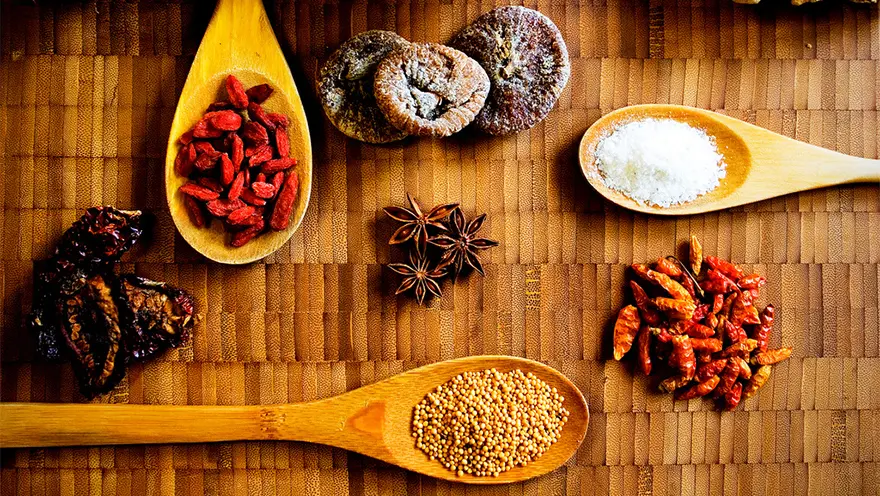
Black pepper, native to India, was traded extensively throughout Asia and Europe. Romans used it as currency, while medieval Europe demanded it for both culinary and medicinal purposes.
Cinnamon and Cassia
Sourced from Sri Lanka and Southeast Asia, cinnamon was more than a flavor—it was a symbol of divine favor and royalty. Traders guarded the sources fiercely, and myths about cinnamon forests lured adventurers.
Nutmeg and Cloves
These came from the Moluccas (the Spice Islands) in Indonesia. European powers, particularly the Portuguese and Dutch, fought brutal wars to control these islands, showing how valuable these tiny seeds were.
The Mechanics of Early Spice Trade
Land Routes: Caravans and Silk Roads
Spices often traveled thousands of miles via camel caravans, braving deserts and mountains. Trade hubs like Alexandria and Venice flourished because they became critical points for distribution.
Sea Routes: Navigating the Indian Ocean
Arab and later Portuguese sailors mastered monsoon winds, opening faster, more efficient maritime routes. This reduced reliance on overland caravans and expanded European access to spices.
Economic Impacts
Spices reshaped global economics:
- Cities Thrived: Venice, Lisbon, and later Amsterdam prospered from spice commerce.
- Taxes & Monopolies: Governments taxed spice imports heavily, creating wealth and fueling exploration.
- Globalization Early Style: Cultures mixed, cuisines merged, and culinary techniques spread, long before modern globalization.
Peak of the Spice Trade
The spice trade reached its peak in the 16th and 17th centuries, with European colonial powers racing to monopolize production. The Dutch East India Company and the Portuguese Estado da Índia controlled vast territories, dictating prices and routes. This was the first era of multinational commerce, predating corporations like Apple or Nike by centuries—but the stakes were just as high.
The Role of Spices in Economy and Society
Wealth and Power
Spices were literally power in a pouch. Kings and nobles used them to display status, while merchants leveraged them to gain influence. In some cases, control over spice trade routes determined the fate of entire empires.
Culinary Evolution
Without spices, many classic dishes would not exist. Indian curries, European pastries, and Indonesian rendang all reflect centuries of cross-continental trade.
Medicine and Preservation
Before modern medicine, spices were vital for health. Cloves were used to numb toothaches; turmeric was an anti-inflammatory; pepper kept meats from spoiling on long voyages.
A Writer’s Insight: Lessons From the Spice Trade
Here’s a fascinating pattern: in my analysis, the spice trade offers a blueprint for modern commerce:
- Scarcity Creates Value: Just like rare digital assets today, limited supply drives demand.
- Networks Are Everything: Traders who built relationships and logistics networks dominated the market.
- Cultural Sensitivity Wins: Understanding local markets—whether Indonesia in the 1600s or global consumers today—remains key.
In essence, the strategies that powered spice empires mirror the principles behind modern multinational corporations.
Key Figures and Powers in the Spice Trade
Arab Merchants
The first global middlemen, Arab merchants connected India, Africa, and Europe. They navigated political and religious complexities to keep trade flowing.
Venetian Traders
Venice became Europe’s spice capital, controlling distribution across the continent. They monopolized access, leading to the search for alternative sea routes.
Portuguese and Dutch Colonizers
By sea, the Portuguese and Dutch seized spice islands, sometimes violently, to secure global dominance. These interventions marked the start of European colonialism driven by commercial motives.
How Spice Trade Changed the World
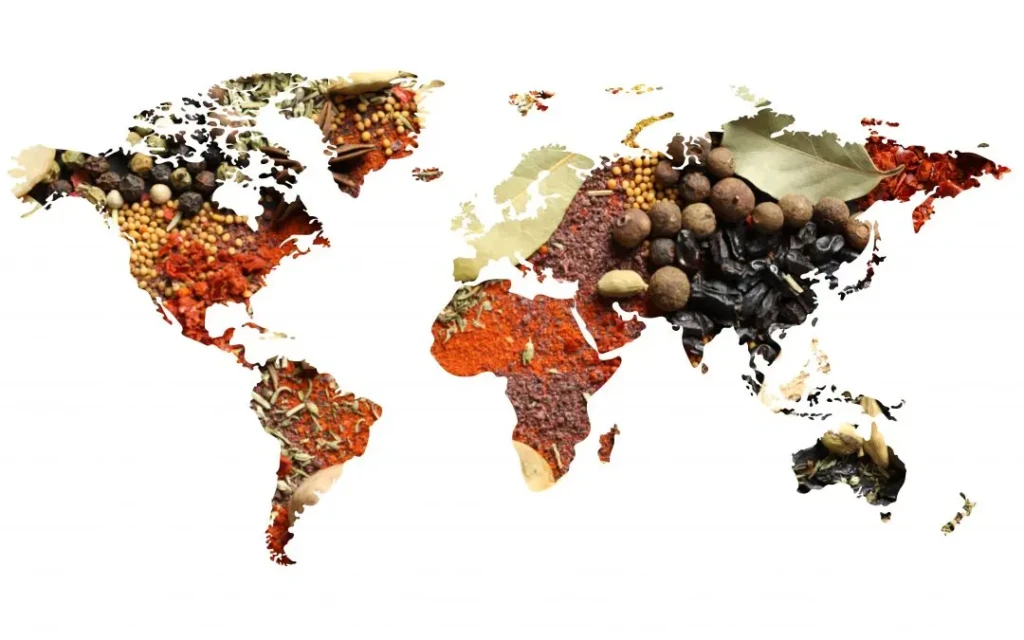
- Global Exploration: The desire for direct access to spices drove explorers like Vasco da Gama and Ferdinand Magellan.
- Colonialism: Economic competition over spices led to colonial empires in Asia and Africa.
- Cultural Exchange: Recipes, cooking techniques, and agricultural practices traveled along with spices.
In other words, spices didn’t just flavor food—they flavored history itself.
Decline and Transformation
By the 18th century, the spice trade’s golden age waned. New commodities—sugar, coffee, tea—took the spotlight, but the systems, networks, and corporate strategies forged during the spice era endured. Modern supply chains, stock markets, and multinational trade owe much to those early traders, forming a crucial part of the History of Global Trade.
Spices Today: The Legacy
Even now, spices continue to shape economies and cultures:
- Global Cuisine: Italian pasta sauces, Indian masalas, Moroccan tagines—all owe their roots to historical spice trade.
- Economic Value: Spices like saffron remain among the world’s most expensive agricultural products.
- Cultural Identity: Traditional spice blends define cultural heritage, showing the lasting imprint of centuries-old trade.
Conclusion
The history of spices is more than a tale of flavor—it’s a story of human ingenuity, economic ambition, and global interconnection. By examining how these tiny seeds drove empires, wars, and trade networks, we see that commodities can shape the very course of history. As I’ve argued, understanding the spice trade is understanding one of the earliest examples of the History of Global Trade. Next time you sprinkle cinnamon on your latte or pepper on your pasta, remember: you’re tasting history—and a legacy of commerce worth more than gold.
FAQs
FAQ 1: Who were the main traders of spices in history?
Arab, Indian, Venetian, Portuguese, and Dutch merchants dominated the trade, controlling routes and prices.
FAQ 2: Why were spices so highly valued historically?
Spices were rare, preserved food, used in medicine, and symbolized wealth and status.
FAQ 3: When did the spice trade reach its peak, and how did it influence global trade?
The spice trade reached its peak during the 16th and 17th centuries, when European powers like Portugal and the Netherlands sought to monopolize spice production and control trade routes. This competition not only drove exploration and colonization but also laid the foundations for the History of Global Trade, connecting continents, cultures, and economies in unprecedented ways.
FAQ 4: Where did the most valuable spices originate?
Pepper from India, cinnamon from Sri Lanka, and nutmeg and cloves from the Moluccas (Spice Islands) in Indonesia.
FAQ 5: How did the spice trade influence globalization?
It connected continents, enabled cultural exchange, and established early international trade networks—laying the foundation for modern global commerce.