Introduction: Why Did Ancient People Need to Preserve Food?
Have you ever wondered how people survived before refrigerators, freezers, or canned food? In the History of Food Preservation, imagine hunting an animal or harvesting crops and knowing that whatever you couldn’t eat immediately might rot within days. For ancient cultures, food spoilage wasn’t an inconvenience—it was a matter of life and death.
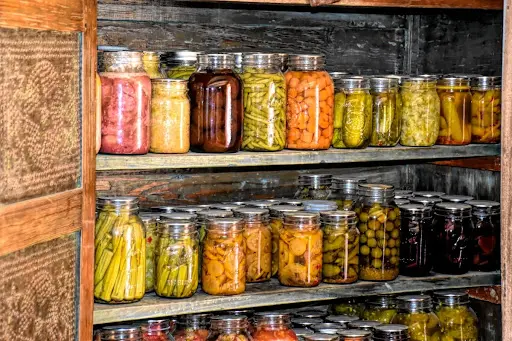
In my own understanding, food preservation methods used by ancient cultures were not accidental discoveries but deliberate survival strategies. Early humans learned, through trial and error, that dehydration, salting, smoking, fermentation, and cold storage could slow decay and extend food availability. These techniques allowed communities to endure long winters, droughts, wars, and migrations—and they quietly shaped the rise of civilization itself.
The Origins of Food Preservation in Human History
When Did Humans Begin Preserving Food Intentionally?
Food preservation likely began tens of thousands of years ago, long before written history. Early hunter-gatherers noticed something important: meat left in the sun dried out instead of rotting, and fish exposed to smoke lasted longer.
This wasn’t science as we know it today—it was observation and survival instinct. Over time, these observations turned into repeatable techniques passed down through generations.
Why Preservation Became Essential for Survival
Ancient societies faced constant uncertainty:
- Seasonal food shortages
- Long winters
- Failed harvests
- Long journeys and trade expeditions
Without preservation, surplus food was wasted. With it, societies could store food, plan ahead, and grow.
Who Developed Early Food Preservation Techniques?
Hunter-Gatherers: The First Innovators
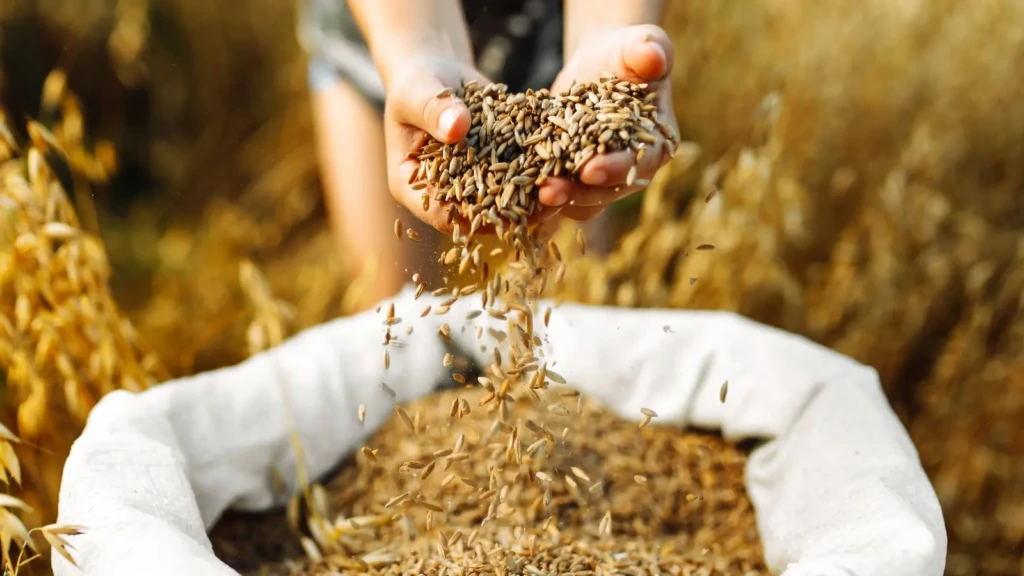
Hunter-gatherers were the earliest food preservation experts. They dried meat on rocks, hung fish in the sun, and stored nuts in cool caves. These methods required no tools—just patience and environmental awareness.
Agricultural Societies and Specialization
As farming emerged, preservation methods became more refined. Ancient Egyptians, Mesopotamians, Chinese, and Indigenous American societies developed specialized techniques based on climate, available resources, and staple foods.
The Most Common Food Preservation Methods Used by Ancient Cultures
Dehydration (Sun-Drying): Nature’s Oldest Technique
Dehydration was the simplest and most widespread method.
Ancient people dried:
- Meat (early jerky)
- Fish
- Fruits
- Herbs and grains

Removing moisture made it harder for bacteria to grow. In hot, dry climates, sun-drying was incredibly effective and required no extra materials.
Salting: Preserving Power Through Minerals
Salt was a game-changer.
Ancient civilizations discovered that salt:
- Drew moisture out of food
- Enhanced flavor
- Slowed bacterial growth
Salted fish sustained Roman armies. Salted meat fed long trade caravans. Entire economies revolved around salt production and trade.
Smoking: Preservation Through Fire and Flavor
Smoking combined two preservation methods at once: drying and chemical protection.
Why Smoking Worked So Well
Smoke contains compounds that:
- Inhibit bacterial growth
- Repel insects
- Add flavor
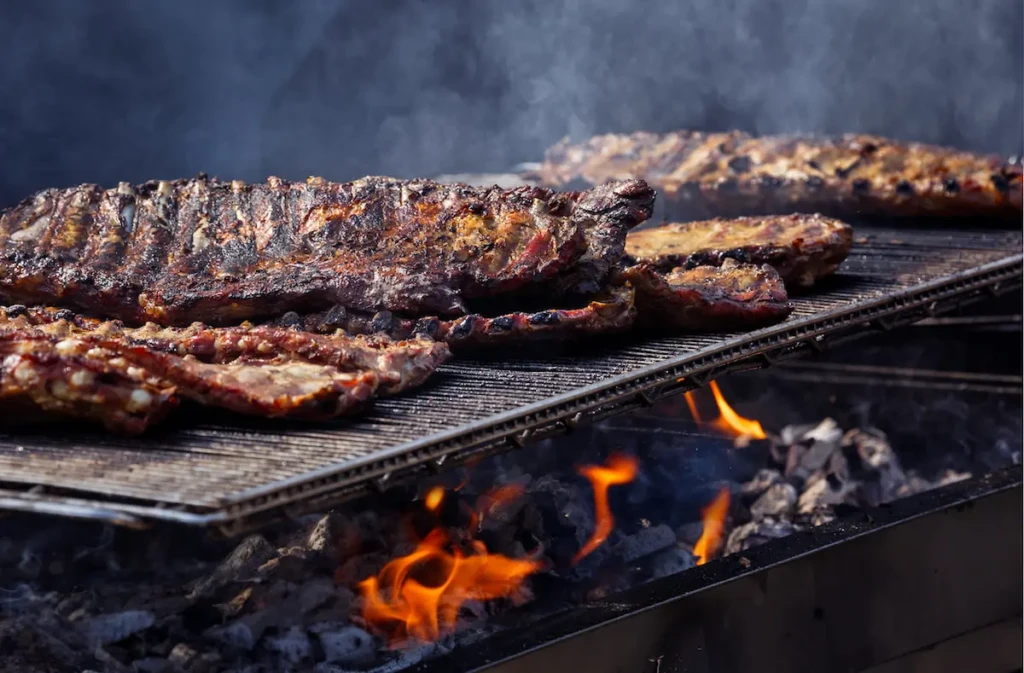
Ancient cultures used smoking extensively for fish and meat, especially in forested and coastal regions.
Cultural Examples of Smoking
- Indigenous North Americans smoked bison and salmon
- Northern Europeans smoked fish for winter survival
- African societies smoked bush meat for long journeys
Smoking wasn’t just practical—it became cultural.
Fermentation: Controlled Decay That Saved Lives
At first glance, fermentation seems risky. Why let food “rot” on purpose?
Ancient people learned that controlled fermentation:
- Preserved food safely
- Improved digestion
- Added nutrients
Fermented Foods in Ancient Cultures
Examples include:

- Yogurt and cheese
- Fermented grains and porridge
- Pickled vegetables
- Alcoholic beverages
Fermentation transformed perishable foods into long-lasting staples and often made them safer to consume than fresh alternatives.
Cold Storage and Root Cellaring
Using the Earth as a Refrigerator
Before iceboxes, ancient people used nature itself.
Root cellars were:
- Dug into the ground
- Naturally cool and dark
- Perfect for storing tubers, grains, and preserved foods
Where Cold Storage Was Most Common
Cold storage thrived in regions with:
- Seasonal winters
- Underground caves
- Stable soil temperatures
This method was especially vital in Europe and parts of Asia.
What Foods Were Most Commonly Preserved?
Ancient cultures preserved foods that were:
- High in protein
- Seasonally abundant
- Difficult to replace
Common preserved foods included:
- Meat and fish
- Grains and legumes
- Fruits and vegetables
- Dairy products
Preservation allowed communities to smooth out feast-and-famine cycles.
Where Were Preserved Foods Stored?
Storage mattered just as much as preservation.
Ancient storage solutions included:
- Clay pots sealed with wax or resin
- Underground pits
- Cool caves
- Elevated granaries to avoid pests
Improper storage could undo all preservation efforts.
Why Certain Preservation Methods Spread Across Regions
Preservation techniques traveled alongside people, trade, and conquest.
Methods spread because they were:
- Effective across climates
- Easy to teach
- Adaptable to local foods
For example, fermentation appears independently in many cultures, suggesting it was rediscovered multiple times due to its reliability.
A Writer’s Insight: Ancient Preservation and Modern Lessons
Here’s something most articles miss.
In my analysis, ancient food preservation wasn’t just about food—it was about risk management. These cultures understood something modern society often forgets: resilience comes from preparation, not abundance.
Think about it:
- They preserved surplus, not scarcity
- They diversified methods, not relied on one
- They planned for worst-case scenarios
There’s a lesson here for modern life, business, and even personal finances: survival favors those who prepare ahead, not those who react late.
The Role of Food Preservation in Daily Life
Preserved food wasn’t emergency rations—it was everyday life.
Ancient meals regularly included:
- Dried grains
- Smoked meats
- Fermented sauces
Fresh food was a luxury; preserved food was reliability.
How Food Preservation Shaped Ancient Economies
Preserved food enabled:
- Long-distance trade
- Military campaigns
- Urbanization
Cities could only grow because food could be stored and transported safely. Without preservation, civilization stalls.
The Transition to Modern Preservation
Many ancient methods are still in use today:
- Drying
- Salting
- Smoking
- Fermentation
Modern technology refined them, but the core principles remain unchanged. Refrigeration didn’t replace ancient wisdom—it built on it.
Conclusion: Why Ancient Food Preservation Still Matters
Food preservation methods used by ancient cultures were foundational to human survival. These techniques turned uncertainty into stability and scarcity into strategy. By learning how ancient people preserved food, we gain insight into how civilization itself was preserved.
Next time you eat dried fruit, smoked fish, or fermented food, remember—you’re participating in a tradition older than history itself.
FAQs
FAQ 1: What are the ancient methods of preserving food?
Ancient methods include dehydration, salting, smoking, fermentation, and cold storage such as root cellaring.
FAQ 2: What are the four old methods of food preservation still used today?
In the History of Food Preservation, four ancient methods are still widely used today: drying, salting, smoking, and fermentation. These techniques remain effective because they slow bacterial growth and extend shelf life without modern technology.
FAQ 3: Why was food preservation essential for ancient cultures?
It allowed survival during food shortages, long winters, wars, and migrations by preventing spoilage.
FAQ 4: What foods were easiest to preserve in ancient times?
Meat, fish, grains, fruits, and dairy products were most commonly preserved due to their nutritional value.
FAQ 5: Did ancient cultures understand bacteria?
No, but through observation they learned which methods slowed decay, effectively controlling spoilage without scientific knowledge.