Introduction: Why Do We Feel So Tired by 2 PM?
Have you ever noticed how your energy crashes in the early afternoon—no matter how much coffee you drank in the morning? That familiar slump isn’t laziness or poor discipline; it’s your biology at work. Our bodies operate on a natural clock, and understanding the link between circadian rhythm and productivity reveals why humans have always needed a pause after midday—long before modern work culture taught us to ignore it.
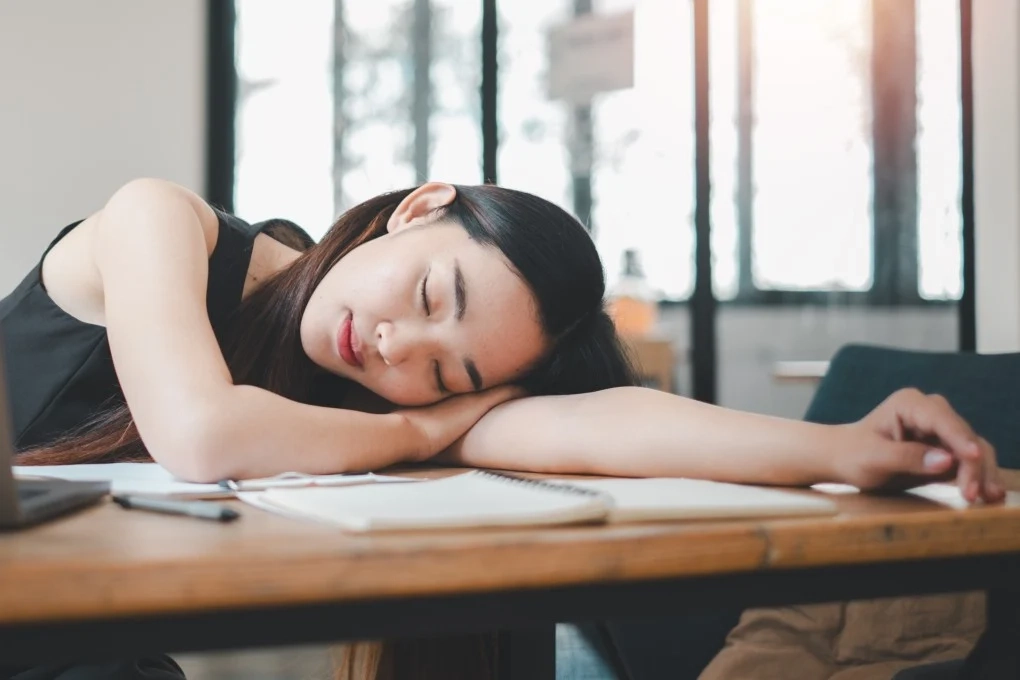
For most of human history, societies expected people to slow down after midday. They planned work, meals, and social life around it. This pause had a name: the siesta.
Today, that pause is gone—treated as indulgent, unproductive, or even shameful. My core argument is simple but uncomfortable: industrialization didn’t just change how we work; it rewired how we rest, turning a biological necessity into a “lost art.”
This article explores how the siesta moved from survival strategy to cultural relic—and what that transformation reveals about modern life.
What Exactly Is a Siesta—and Where Did It Come From?

The word siesta comes from the Latin hora sexta—the “sixth hour” after sunrise, roughly noon. In ancient Rome, this was the moment when physical labor stopped.
But Rome didn’t invent afternoon rest. They formalized it.
Who Traditionally Practiced the Siesta?
Siestas appeared across civilizations:
- Mediterranean societies (Spain, Italy, Greece)
- Latin America
- The Middle East
- Parts of Africa and South Asia
These cultures didn’t share a single religion or economy—but they shared heat, daylight labor, and respect for bodily limits.
Why Was the Siesta Important in Traditional Societies?
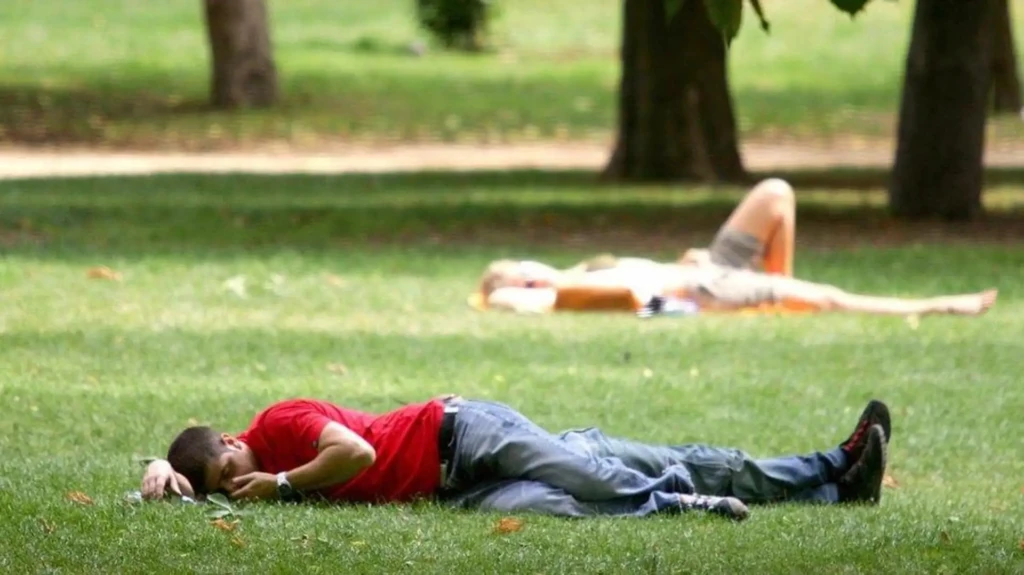
The siesta served multiple purposes:
- Biological recovery after intense morning labor
- Heat avoidance in hot climates
- Social cohesion, as families gathered midday
- Health preservation before artificial lighting and climate control
Rest wasn’t separate from productivity—it protected it.
The Science Behind Afternoon Sleepiness
Long before sleep scientists existed, cultures observed patterns we now call circadian rhythms.
How Human Sleep Patterns Actually Work
Humans naturally experience:
- A strong alertness peak in the morning
- A dip in alertness between 1–4 PM
- A second wind in the early evening
This dip occurs even if you slept well.
Can Afternoon Naps Improve Productivity and Health?
Yes—and modern research confirms what tradition already knew:
- Short naps improve memory consolidation
- They reduce cortisol (stress hormone)
- They lower cardiovascular risk
- They improve mood and reaction time
The problem isn’t the nap.
The problem is the system that refuses to allow it.
Industrialization: When the Machine Set the Schedule
The real enemy of the siesta wasn’t science—it was the clock.
How Did Industrialization Affect Everyday Life?
Before factories, work followed:
- Sunlight
- Weather
- Seasons
- Human stamina
Industrialization replaced this with:
- Fixed shifts
- Whistles and bells
- Timecards
- Continuous output expectations
Time became something you sold.
Why Did Industrial Work Schedules Eliminate Afternoon Rest?
Factories required:
- Synchronized labor
- Continuous machine operation
- Predictable output
Machines didn’t need naps—so humans adapted downward.
Rest was reframed as:
- Inefficiency
- Lack of discipline
- Moral weakness
This wasn’t accidental. It was ideological.
The Industrial Revolution and the War on Sleep
Sleep itself became suspicious.
How Did the Industrial Revolution Change Sleep?
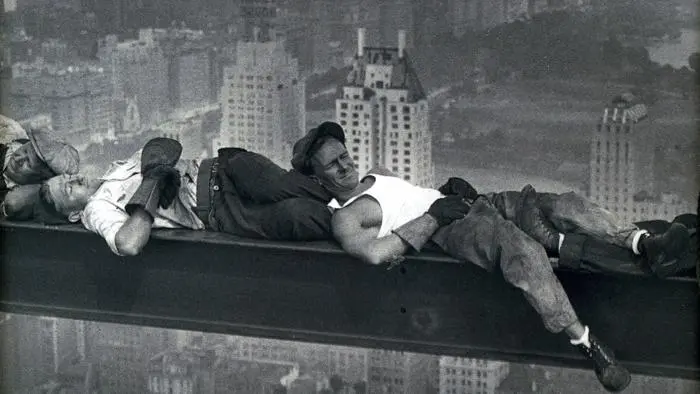
Historically, humans practiced segmented sleep:
- First sleep after dusk
- Wakeful period at night
- Second sleep before dawn
Industrialization compressed this into a single block—because factories needed workers awake at the same time.
Afternoon rest was collateral damage.
What Was the Biggest Impact of Industrialization on Human Life?
More than machines or cities, the biggest impact was this:
We stopped designing life around humans—and started designing humans around systems.
Where Is the Siesta Still Practiced Today?
Despite globalization, the siesta survives.
Which Cultures Still Value Afternoon Rest?
- Rural Spain and Southern Italy
- Mexico and parts of Central America
- Greece
- Some Middle Eastern countries
- Agricultural communities worldwide
Interestingly, where siestas survive, burnout rates are often lower and social bonds stronger.
Which Industries Discourage Daytime Naps the Most?
- Corporate offices
- Manufacturing
- Finance
- Retail
- Call centers
These industries reward visibility over vitality.
My Personal Insight: Productivity Without Rhythm Is Just Burnout in Disguise
Here’s something I’ve noticed repeatedly.
In conversations with freelancers, students, and even small business owners, there’s a pattern: people feel guilty for slowing down—even when it helps them work better later.
Industrial culture taught us a dangerous equation:
Rest = laziness
Exhaustion = commitment
But when you remove rhythm from work, you don’t get efficiency—you get fragility.
The siesta wasn’t anti-work.
It was anti-collapse.
Can the Siesta Exist in Modern Work Culture?
Not in its old form—but its principle can.
How Can Modern Workers Reintroduce Afternoon Rest?
You don’t need a hammock or two hours.
Try:
- 20-minute power naps
- Quiet breaks without screens
- Flexible scheduling
- Deep-focus blocks followed by deliberate rest
Even stepping outside without stimulation can mimic siesta benefits.
When Is the Best Time for an Afternoon Nap?
Between 1 PM and 3 PM—before deep sleep sets in.
nything longer risks grogginess.
Why the Siesta Feels Radical Today
The siesta challenges three modern assumptions:
- Humans are infinitely scalable
- Productivity is linear
- Rest must be earned
Traditional societies knew better.
They didn’t ask, “How much can we extract?”
They asked, “How long can we endure?”
The Bigger Picture: What We Really Lost
The disappearance of the siesta wasn’t just about sleep.
We lost:
- Midday social connection
- Slower meals
- Intergenerational presence
- A built-in pause for reflection
Industrialization didn’t just steal rest—it stole permission.
Conclusion: Reclaiming the Lost Art
The siesta wasn’t defeated by progress.
It was outpaced by priorities.
As we rethink burnout, mental health, and sustainable productivity, the question isn’t whether the siesta is outdated—it’s whether our current model is.
Maybe the most radical thing we can do isn’t to work harder—but to rest on purpose.
FAQs
FAQ 1: What is a siesta and how does it support circadian rhythm and productivity?

A siesta is a short midday rest rooted in traditional cultures that aligns with natural circadian rhythm and productivity cycles, helping restore focus and energy.
FAQ 2: How did industrialization disrupt circadian rhythm and productivity?
Industrialization imposed rigid work schedules that ignored natural circadian rhythm and productivity patterns, eliminating afternoon rest in favor of machine efficiency.
FAQ 3: Can afternoon naps improve productivity and health?
Yes. Short naps improve cognitive performance, mood, and long-term cardiovascular health.
FAQ 4: Which industries prevent daytime rest the most?
Manufacturing, corporate offices, finance, and retail—industries built around rigid schedules.
FAQ 5: Can the siesta exist in modern work culture?
Not traditionally, but its principles—strategic rest and rhythm-based productivity—can be adapted.