Introduction: African cuisine health benefits
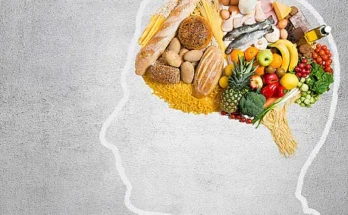
Have you ever wondered why African cuisine is so flavorful yet often overlooked in modern nutrition discussions? In my own understanding, African cuisine health benefits are abundant, as traditional African dishes are nutritional powerhouses, featuring unprocessed ingredients, high-fiber staples, and potent medicinal herbs that have sustained communities for generations.”
This article explores the hidden health benefits of these time-tested recipes, revealing how ancient culinary wisdom can inform and improve modern diets.
What Makes Traditional African Cuisine Nutritionally Powerful?
Traditional African meals are built around whole, minimally processed foods, offering numerous African cuisine health benefits. Staples like millet, sorghum, yams, and cassava provide essential nutrients and energy.
Key aspects include:
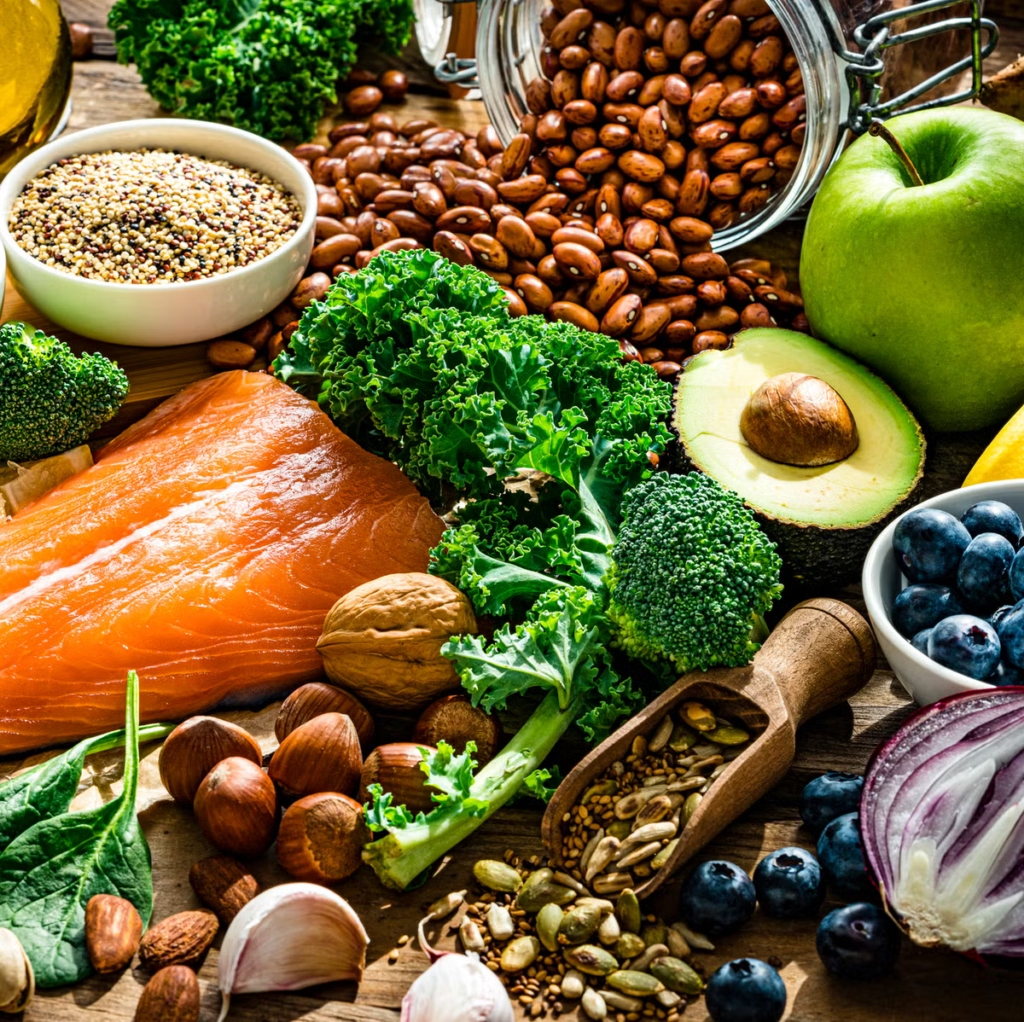
- High-fiber content that promotes gut health
- Plant-based proteins from legumes and beans
- Medicinal herbs like moringa, hibiscus, and ginger for immunity and anti-inflammatory properties
The combination of these ingredients makes African cuisine a robust and balanced source of nutrition.
Who Traditionally Prepares African Cuisine Using Unprocessed Ingredients?
In most communities, traditional meals are prepared by families using locally sourced ingredients. Elders and home cooks are custodians of culinary knowledge, teaching younger generations how to select, prepare, and combine foods to maximize African cuisine health benefits..
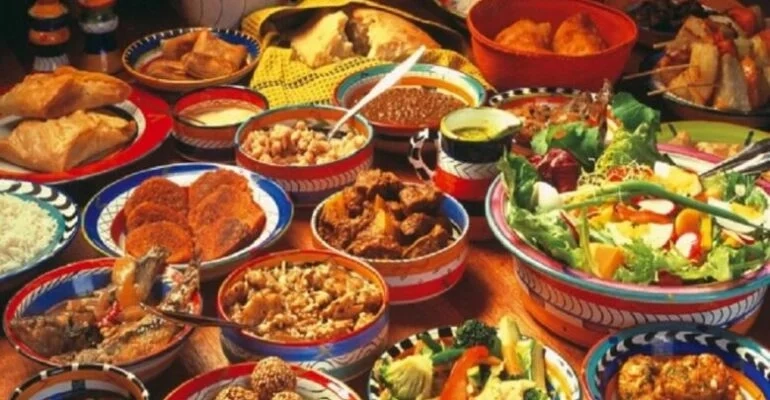
This hands-on approach ensures that meals remain nutrient-rich and culturally authentic.
Where Are the Most Nutrient-Dense African Cuisines Found?
Certain regions are especially known for their high nutritional value:
- West Africa: High in legumes, grains, and leafy greens
- East Africa: Rich in cereals like teff, sorghum, and nutrient-dense vegetables
- Southern Africa: Diverse diets including maize, pumpkin, and indigenous fruits
These regional variations demonstrate how geography influences dietary health.
Staple High-Fiber Ingredients in African Cooking
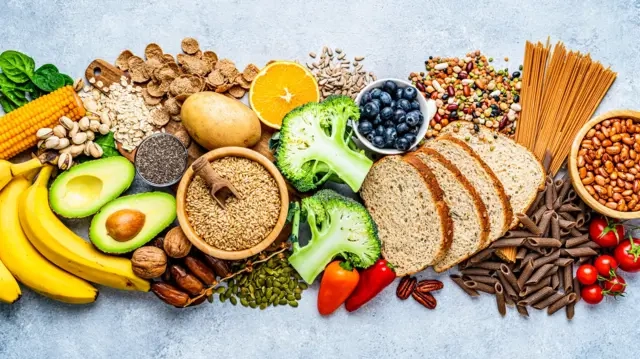
Fiber-rich ingredients form the backbone of traditional African diets:
- Millet & Sorghum: Gluten-free grains promoting digestive health
- Yams & Cassava: Provide slow-release carbohydrates
- Leafy Greens: Such as amaranth and morogo, packed with vitamins
High fiber not only aids digestion but also supports heart health and metabolic regulation.
Why Medicinal Herbs Are Important in African Cooking
Medicinal herbs are used not just for flavor, but for their therapeutic properties:
- Moringa: Rich in antioxidants and supports immunity
- Hibiscus: Helps regulate blood pressure
- Ginger & Turmeric: Anti-inflammatory and digestive aids
Integrating these herbs into everyday meals turns food into functional medicine.
When Did Traditional African Diets Start Being Replaced by Processed Foods?
The shift began during colonization and accelerated with globalization:
- Introduction of refined grains and sugar
- Increased consumption of packaged snacks and fried foods
- Urban migration reducing access to fresh, local ingredients
Despite this, many communities still preserve traditional recipes, maintaining their nutritional integrity.
How High-Fiber Staples Are Incorporated Into Daily Meals
Staples are often served as:
- Porridges for breakfast
- Stews and soups for lunch or dinner
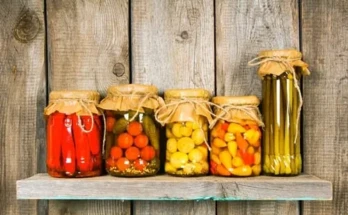
- Fermented dishes for probiotic benefits
Fermentation, boiling, and steaming are common methods that preserve nutrients.
Can Traditional African Cuisine Help Prevent Modern Lifestyle Diseases?
Yes. Diets rich in unprocessed ingredients and medicinal herbs are associated with:
- Lower incidence of diabetes
- Improved cardiovascular health
- Enhanced digestive function
Incorporating these meals into contemporary diets can help combat obesity, hypertension, and other lifestyle-related conditions.
How Modern Chefs Can Adapt Traditional Recipes
Adapting these dishes requires respecting their nutritional principles:
- Maintain whole grains and legumes
- Limit added sugars and refined oils
- Preserve the use of medicinal herbs
This approach allows for modern innovation without compromising health benefits.
Regions and Dishes to Try
West Africa
- Moi Moi (steamed bean pudding): Protein-packed and fiber-rich
- Efo Riro (spinach stew): Full of antioxidants
East Africa
- Ugali with Sukuma Wiki: Cornmeal with kale for minerals and fiber
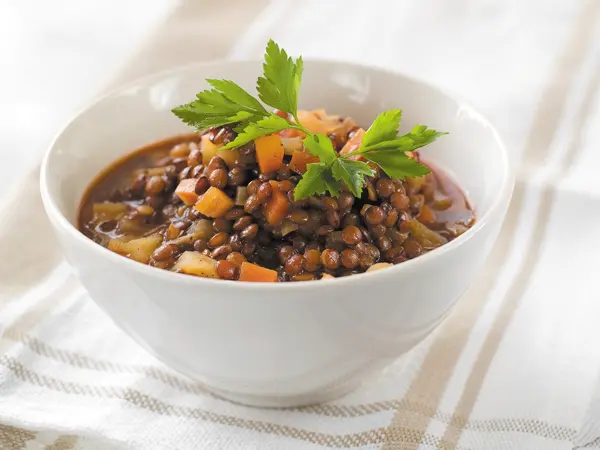
- Injera with Lentils: Teff flatbread with protein-rich legumes
Southern Africa
- Pap and Morogo: Maize porridge with wild spinach, rich in iron
- Pumpkin and Bean Stew: High in fiber and micronutrients
Personal Insight: The Cultural Wisdom of African Nutrition
From my observations, traditional African cooking isn’t just about sustenance—it’s about longevity, community, and African cuisine health benefits. The balance of grains, vegetables, proteins, and herbs reflects centuries of empirical knowledge. Modern diets can learn much from this holistic approach.
Conclusion: Rediscovering Nutritional Heritage
Traditional African dishes offer more than flavor—they are carefully constructed nutritional systems. By valuing unprocessed ingredients, high-fiber staples, and medicinal herbs, we can improve health outcomes and reconnect with cultural food wisdom.
Embracing these meals today isn’t just nostalgia—it’s smart nutrition.
FAQs
FAQ 1: What are the healthiest traditional African foods?
Staples like millet, sorghum, yams, leafy greens, and legumes are nutrient-dense and rich in fiber.
FAQ 2: Which medicinal herbs are commonly used in African cuisine?
Moringa, hibiscus, ginger, and turmeric are frequently incorporated for immunity, digestion, and anti-inflammatory benefits.
FAQ 3: Can traditional African diets prevent modern diseases?
Yes. Diets rich in whole grains, vegetables, and herbs support cardiovascular health, regulate blood sugar, and aid digestion.
FAQ 4: How can I learn traditional African cooking methods?
Community elders, cultural workshops, and culinary classes focused on heritage foods offer authentic instruction.
FAQ 5: Can modern chefs adapt these dishes without losing health benefits?
Yes, by keeping unprocessed ingredients, limiting refined additives, and maintaining the use of medicinal herbs.